Residents who rely on their bicycles for daily commuting and recreation are often afflicted with bike thefts. South Melbourne Police earlier provided adivce aimed at reducing the likelihood of bike theft and aiding in the recovery of stolen bikes.
Engrave a License Number on Your Bike
One of the most straightforward ways to deter thieves and increase the chances of recovering a stolen bike is to engrave a unique license number onto the frame. An engraved license number makes the bike easily identifiable and helps police trace it back to the owner.
Register on Bike Vault
Residents are encouraged to register their bicycles on www.bikevault.com.au. This free online platform enables bike owners to document essential details about their bicycles, such as make, model, and serial number. In the unfortunate event of theft, this database can be invaluable in aiding police investigations.
Opt for a DLock and a BikeTag
While cable locks are common, they can easily be tampered with. Police recommend investing in a DLock, which provides a higher level of security. For an additional layer of protection, consider purchasing a BikeTag, a GPS-enabled device that helps in tracking your bike's location if stolen. High-quality locks and tracking devices act as robust deterrents against theft.
Legal Implications: Bike Theft is an Indictable Offence
It's important for the community to understand that bike theft is not a minor crime. It is an indictable offence, subject to serious legal consequences. Knowing the legal ramifications may deter potential thieves and re-emphasise the importance of this issue among residents.
Community Responsibility
The police stress that preventing bike theft is a communal responsibility. A secure bike is a communal deterrent: the more people that adhere to these guidelines, the less attractive our neighbourhood becomes for bike thieves.
Residents are urged to stay vigilant, share this information with their community, and contact the Police to report any suspicious activities or, regrettably, stolen bikes.

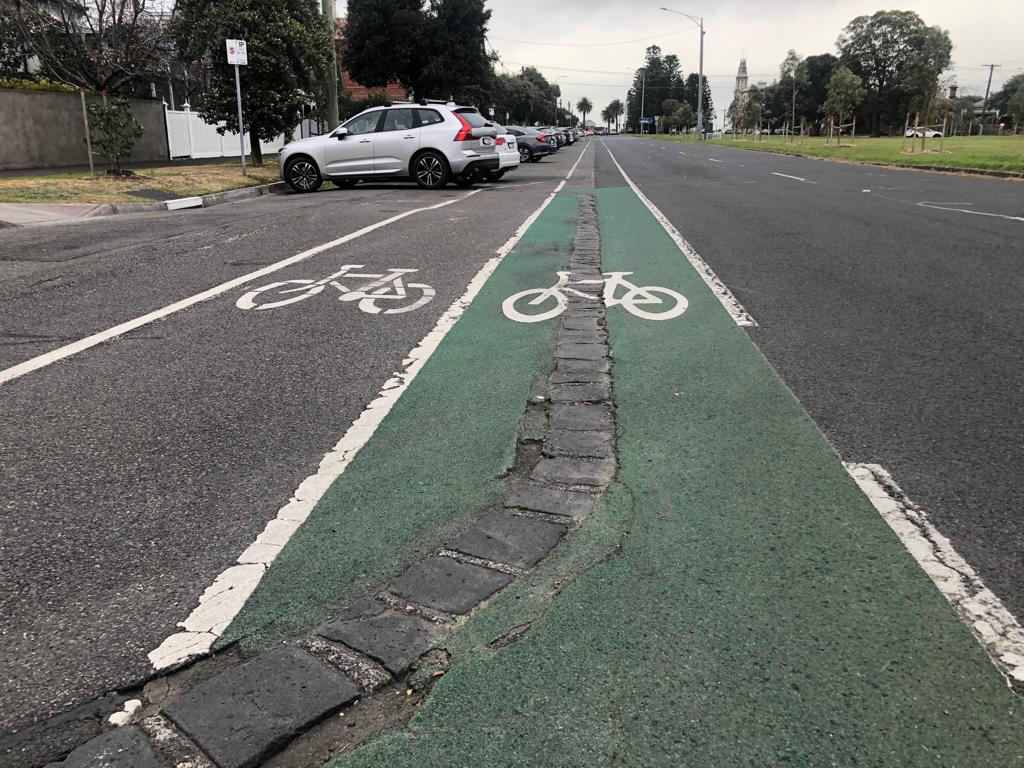
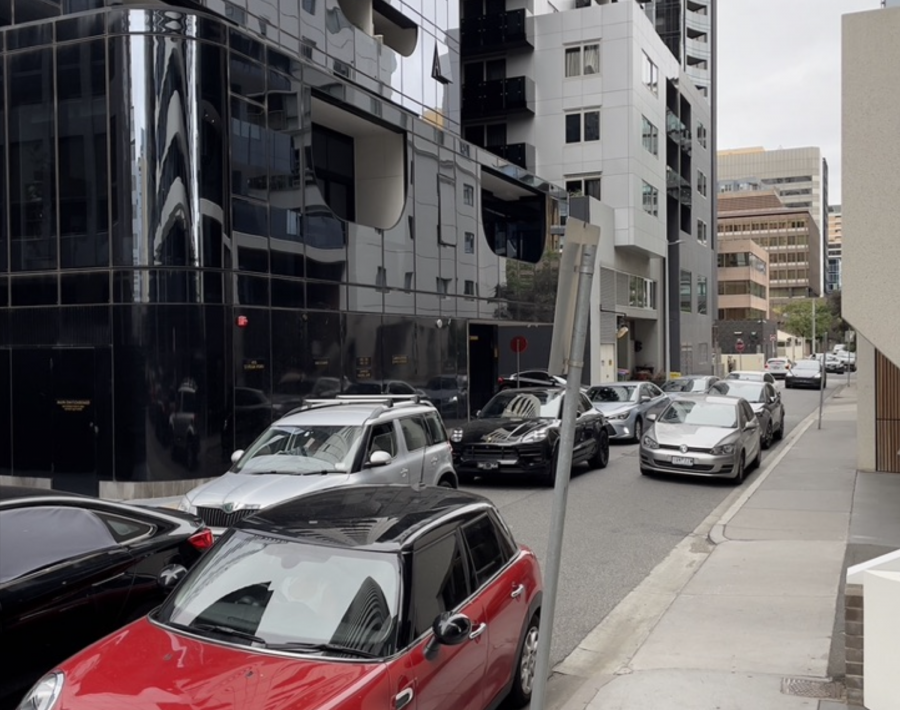
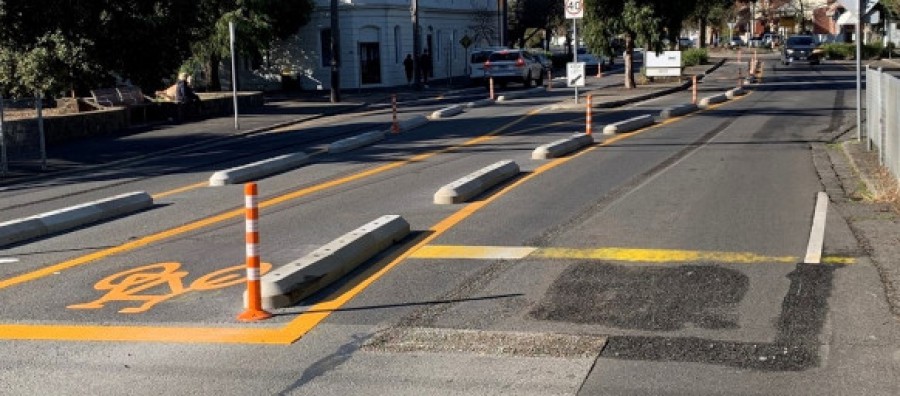
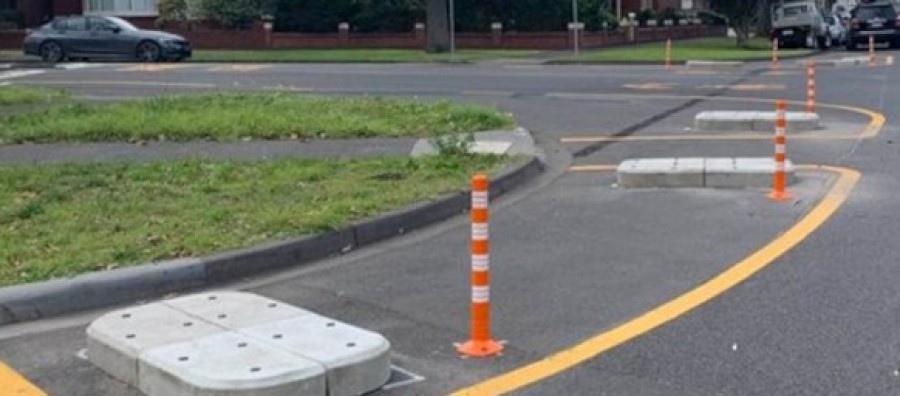
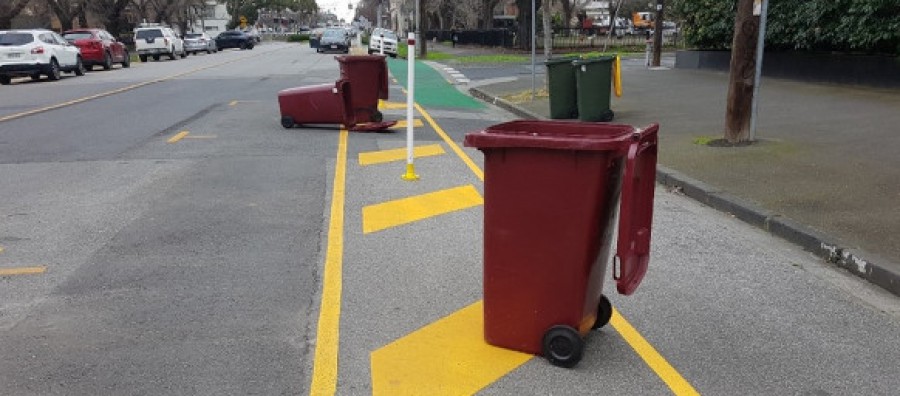
In Melbourne’s evolving landscape, the Council of Port Phillip’s recently proposed Inkerman Safety Improvement Project offers a significant, albeit contentious, addition to the city’s infrastructure. Although there are safety concerns that need to be addressed, there is little or no consideration of the impact of reduced carparking on residents and businesses on Inkerman Road and side streets. While the initiative aims to enhance road safety and pedestrian well-being, it also joins a lineage of road and bike lane projects that have sparked heated debates and policy reversals.
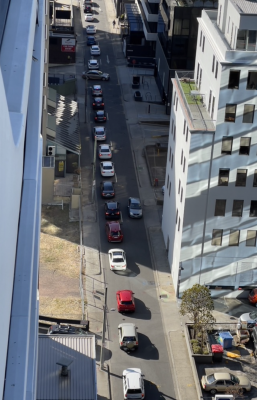
The immediate concern tied to the Inkerman Project is the apparent oversight concerning its impact on residential and business car parking. While there are valid safety concerns that demand redressal, the project seems to give little to no consideration to the reduction in parking availability on Inkerman Road and adjacent streets. Such an omission reflects a pattern seen in previous council projects, where practicalities affecting daily life are often sidelined.
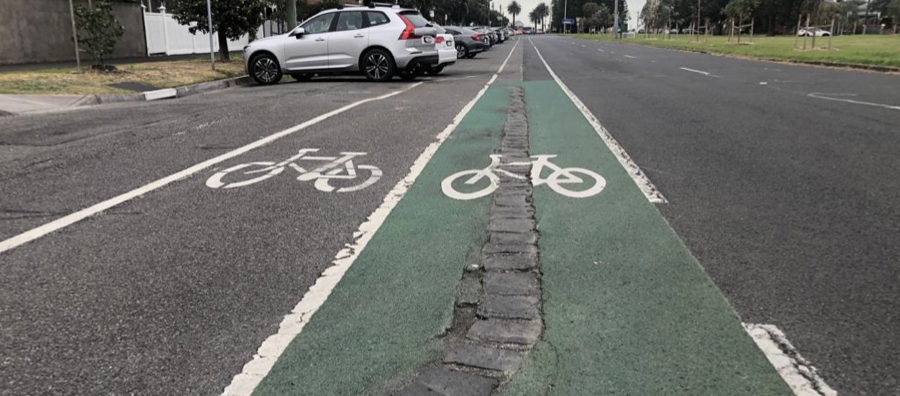
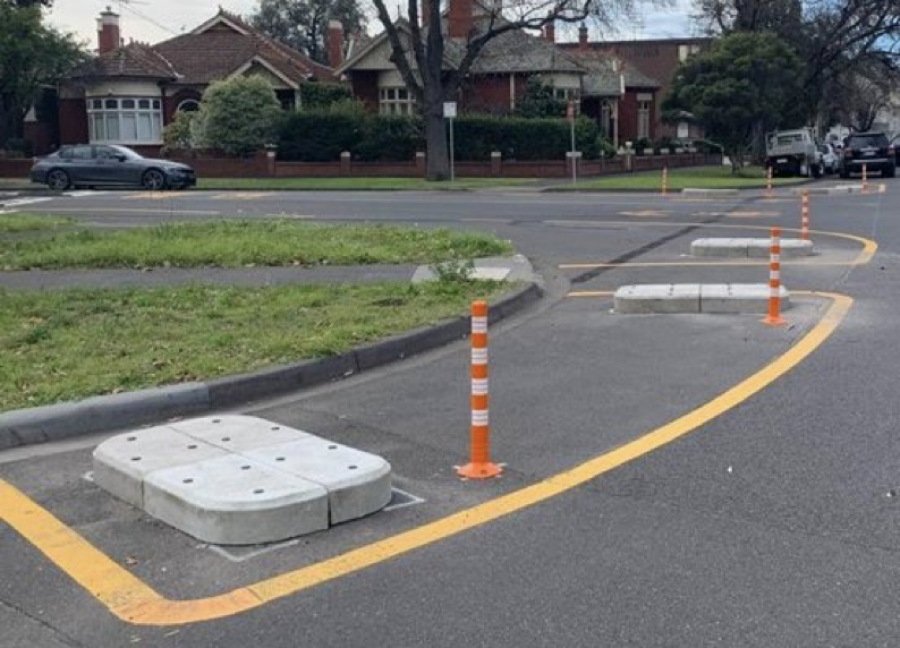
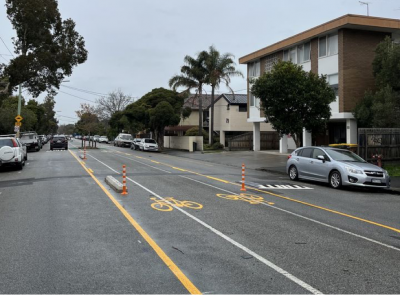
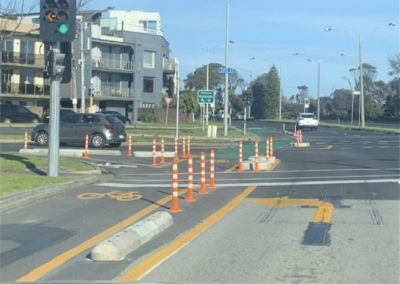
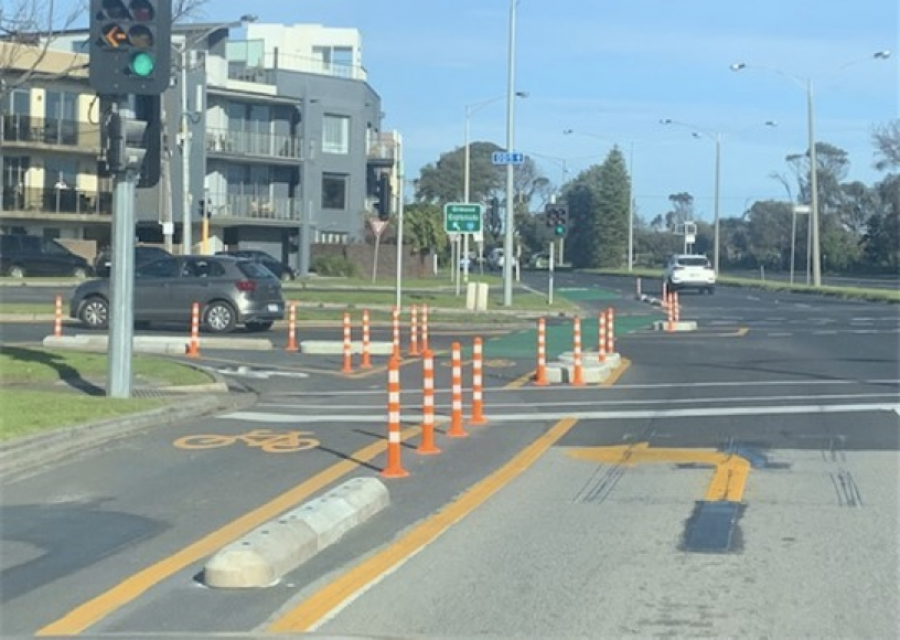
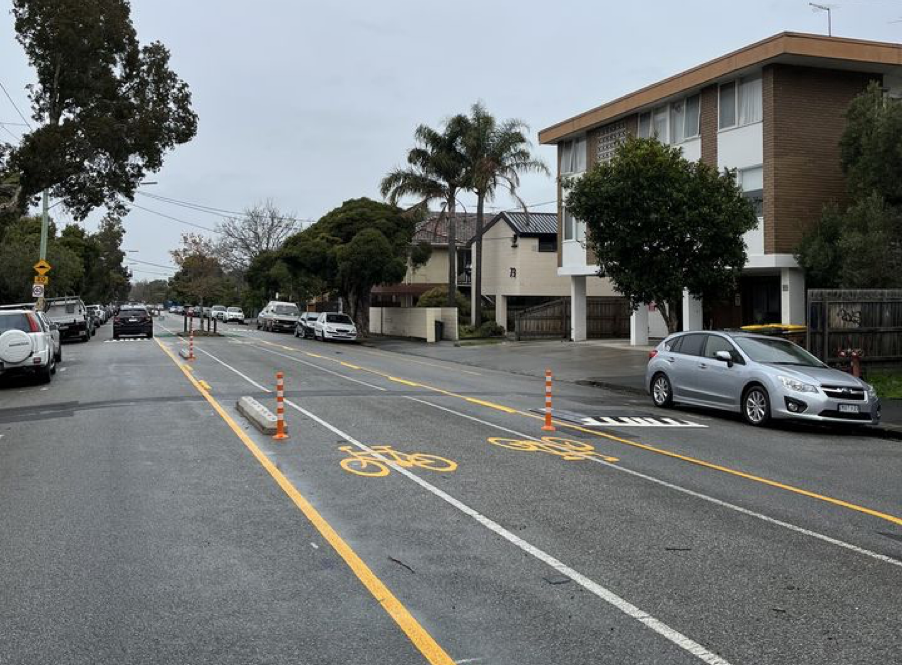
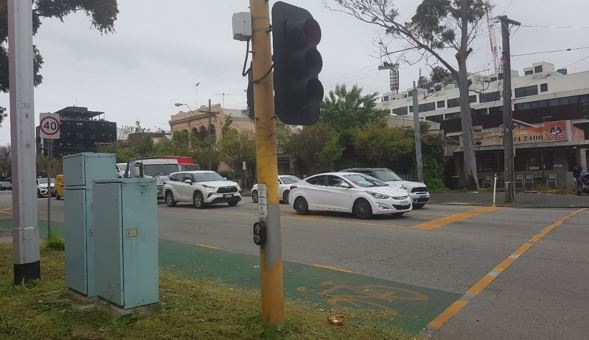
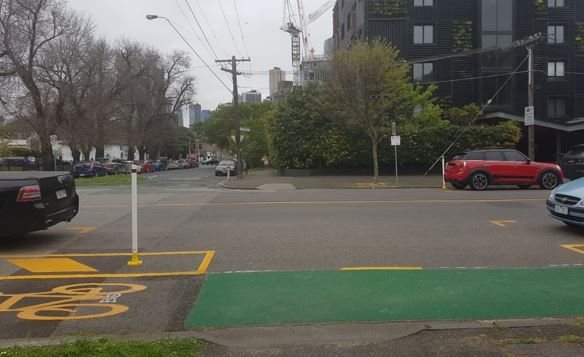
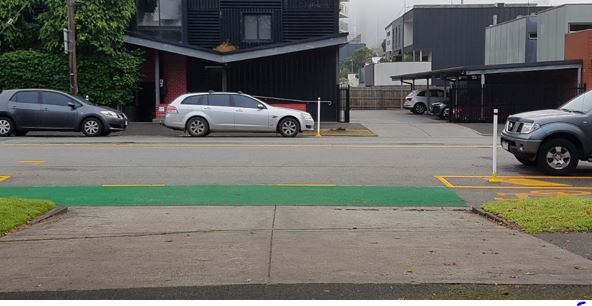
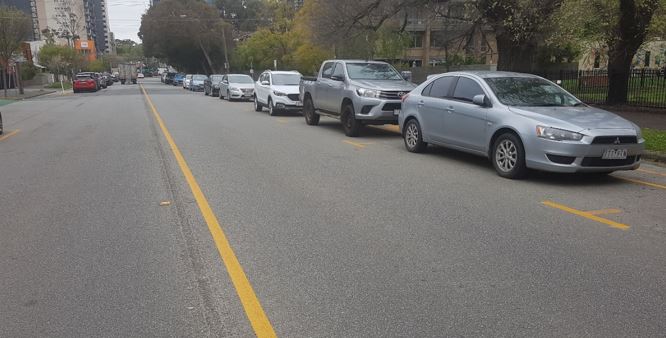
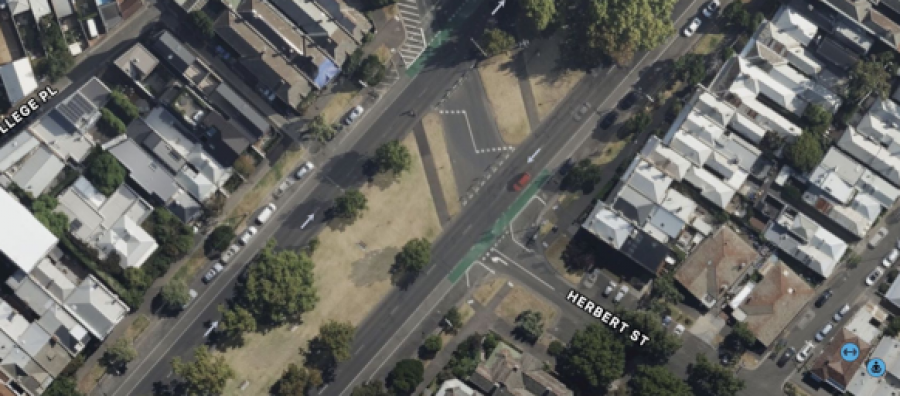
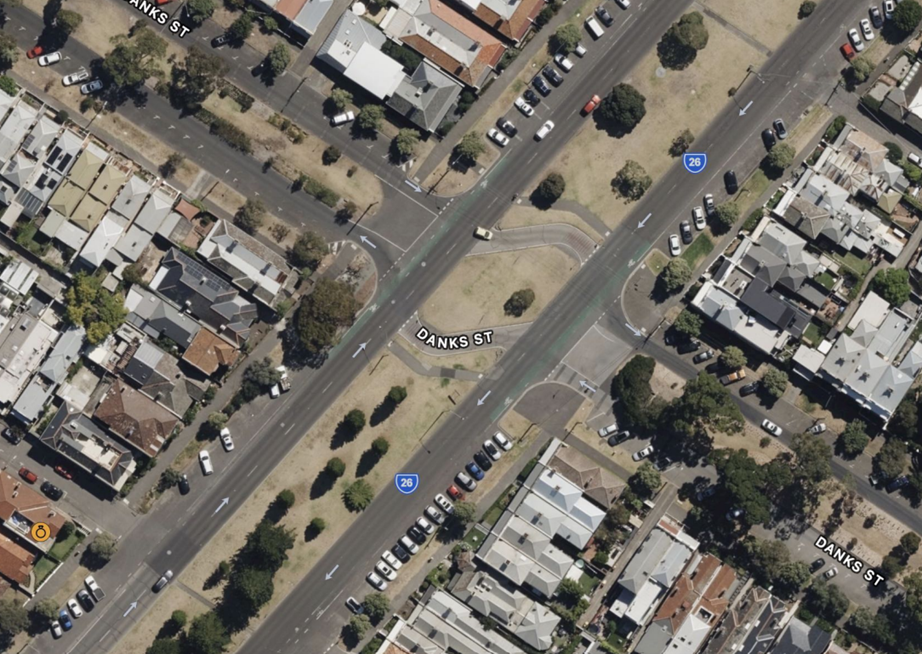
Moreover, the council is currently soliciting feedback on two design options for bicycle lanes on Inkerman Road between St Kilda Road and Hotham Street. Option A is a physically protected bike lane which results in the removal of 116 carparks between St Kilda Road and Hotham Street and Option B is a painted bike lane with the loss of 20 carparks.
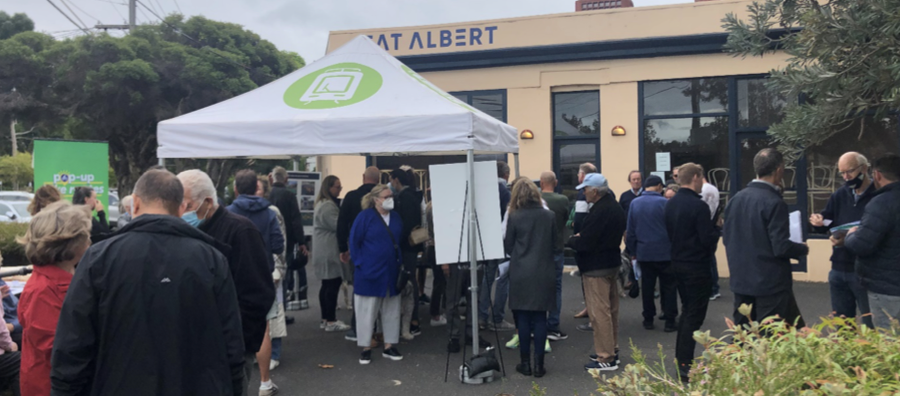
However, given its track record of nebulous consultation processes, one can’t help but question the efficacy of this outreach. Is this a genuine attempt to integrate community input, or another box-ticking exercise in public engagement?
A glaring example of such oversight is the Council’s recent misadventure with the Kerferd Road plan, a project that faced vehement community opposition and was eventually rescinded. As a resident astutely noted, the council seemed to be “wilfully ignoring” the populace who had earlier advocated against poorly designed bike lanes. The council’s decision to reintroduce the Kerferd Road proposal, despite known public opposition, raises unsettling questions about the Inkerman Project’s community engagement process.
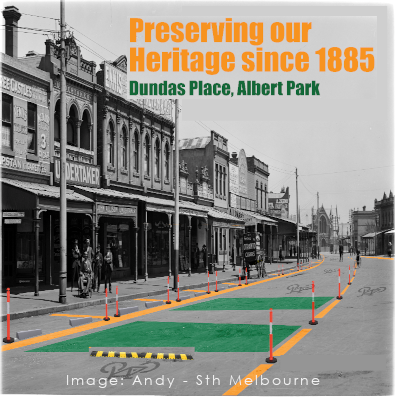
Furthermore, much like the contentious Kerferd Road proposal, the Inkerman Project aims to introduce new bike lanes and reconfigure existing ones. While promoting cycling is commendable, the Council’s previous floundering with similar initiatives calls for a more considered approach. Past projects like “Shrine to Sea” and pop-up bike lanes have been discontinued, creating a state of “bike lane fatigue” among residents. This turbulent history makes it difficult for any new proposals, such as the Inkerman Project, to be met with enthusiasm.
The Inkerman Safety Improvement Project presents a complex challenge. Its laudable goals are overshadowed by a history of failed community engagements and inadequate planning. From overlooking basic necessities like parking to erratic stances on bike lanes, the Council of Port Phillip must rethink its strategy if the Inkerman Project is to avoid becoming yet another footnote in a string of well-intentioned but poorly executed initiatives.
As the adage goes, those who cannot remember the past are condemned to repeat it. The Council finds itself at a crossroads: learn from past failures or proceed on a course that may lead to another planning debacle.
Council is currently asking residents for feedback on two design options for bicycle lanes in Inkerman Road between St Kilda Road and Hotham Street, St Kilda East”. Provide your feedback https://haveyoursay.portphillip.vic.gov.au/help-improve-road-safety-inkerman-street