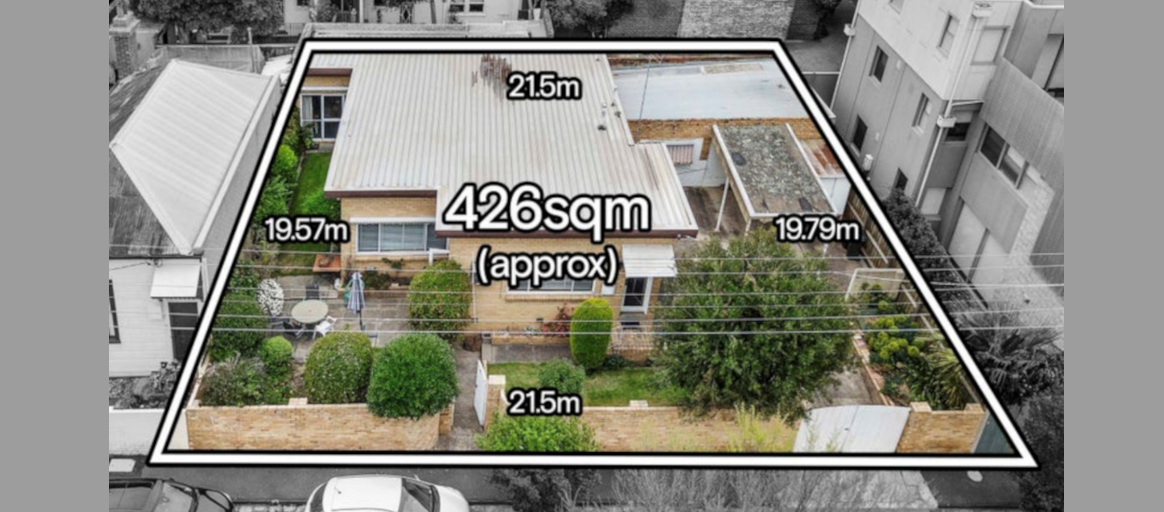
Chinese (Simplified) Chinese (Traditional) English French German Greek Hindi Indonesian Italian Japanese Korean Malay Spanish Vietnamese Print Planning Application refused for rooming house in St Kilda Port Phillip Council have refused a planning permit for rooming houses at 31 Octavia Street in St Kilda. Council rejected an application for the demolition of the existing building and construction of a three-level building to be used as two separate rooming houses with a total of 16 bedrooms. The applicant has a right to appeal the decision at VCAT. The Council’s rejection of the application is welcomed by Octavia Street residents and those living in the surrounding area. Over 150 residents within the St Kilda Hill precinct are members of a Facebook group which unexpectedly brought the community together regarding the development. A number of members of the group engaged a professional town planner who helped them prepare an objection which highlighted significant concerns within the application. The group believes the location of the proposed rooming houses was inappropriate primarily by virtue of their sheer scale and intensity and their potential to introduce adverse residential amenity impacts where such impacts are already acutely experienced by residents of Octavia Street. Whilst the group commended Council’s policy to support the provision of affordable accommodation, they also observed that some locations are better suited to others, given that rooming houses tend to negatively affect local residential amenity, particularly large-scale operations. Rooming house accommodation traditionally involves residents renting bedrooms, rather than self-contained flats or units, and the use of shared common facilities such as bathrooms, lounges, kitchens, dining areas and laundries. For more information refer to www.facebook.com/groups/octavia3182The planning application was rejected based on the poor external design and appearance, for not being consistent with the heritage character to the east of the property, for poor internal amenity for tenants because of the room layout. Interestingly, Council’s explanation for the rejection did not specifically mention the location of a rooming house in an area which already has community safety and amenity problems linked to social housing in the area.