It is no secret that ratepayers who largely fund the City of Port Philip (CoPP) have been concerned for some time about the lack of focus and discipline displayed by the Council. Recent data compiled by Council Watch, once again, tells a concerning story on Council largess that affects not only ratepayers but also the non-rate paying public.
Data released this week on the Melbourne metro councils show that the City of Port Phillip came in an alarmingly second place in terms of average salary costs at $129,174 with a staff complement of 847. This translates to a staff ratio of 8.6 staff to 1000 of population in the City of Port Phillip (third highest in Metro Melbourne) compared to the average of 6.0 staff per 1000.
Let’s consider the following: The City of Port Philip continually argues for higher rate increases, not for potential looming risks but for a continuation of a tax and spend mentality, including funding Councillor “pet initiatives”.
Last year through the efforts of the Residents of Port Phillip (community association), rate increases were reduced from the Victorian government designated maximum. Even with a hard-won rate increase reduction, the CoPP still sits in the bottom third of councils in terms of profitability. The CoPP is budgeting a $10 million surplus (profit) for 2023-24.
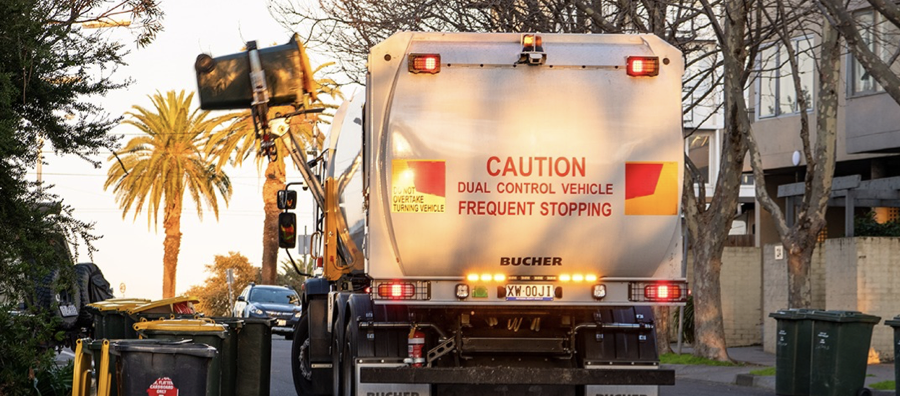
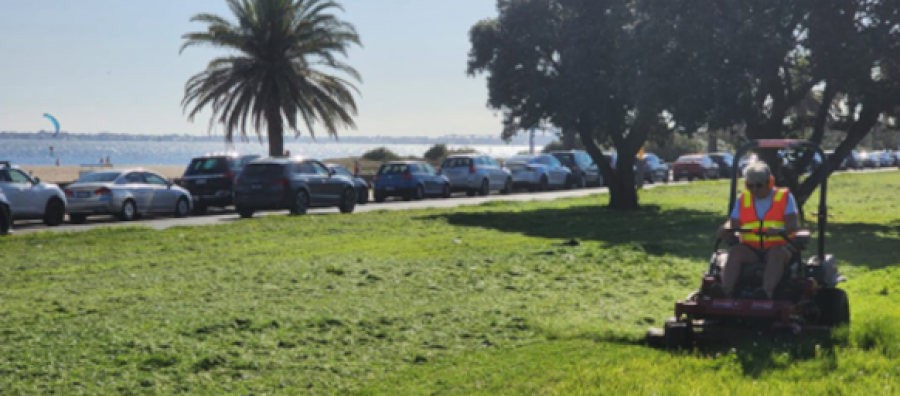
With the CoPP having excessive rate structures compared to our neighbouring Councils of Glen Eira, Stonnington and Bayside, the evidence suggests that this high-rate regime is being eaten up internally through higher salary structures and overstaffing. If you think 847 staff is too high for only 103,000 residents, then also consider the fact that many of the council services are outsourced! Rubbish removal is a core responsibility and is outsourced. Ask yourselves how that exercise has been going lately!
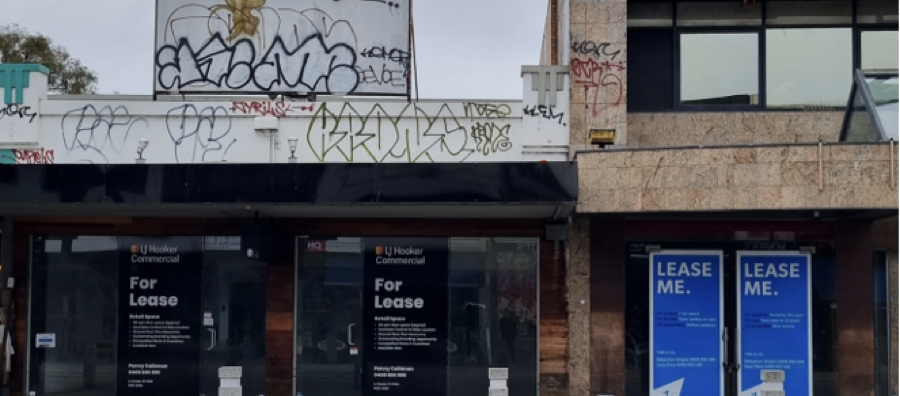
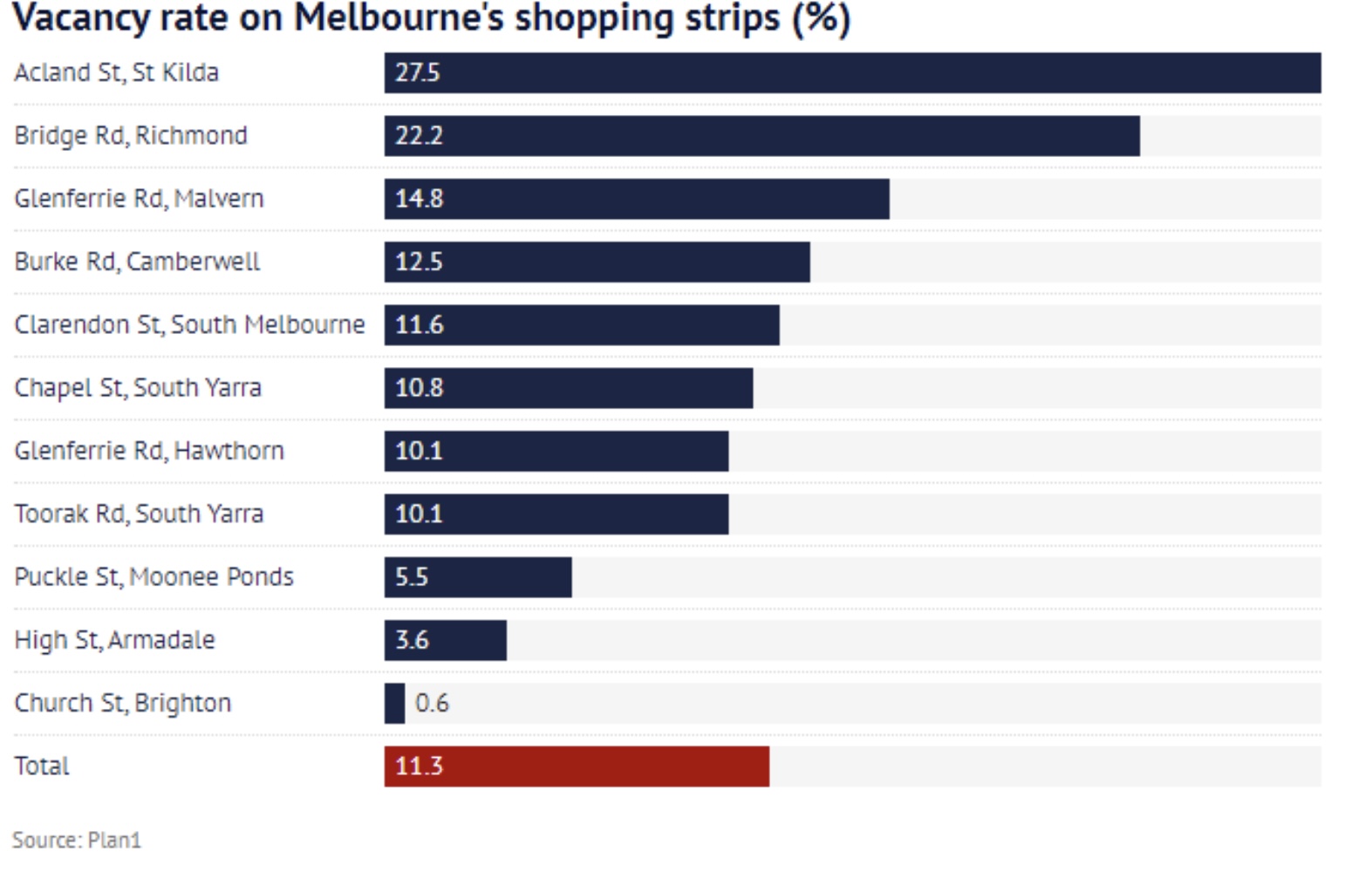
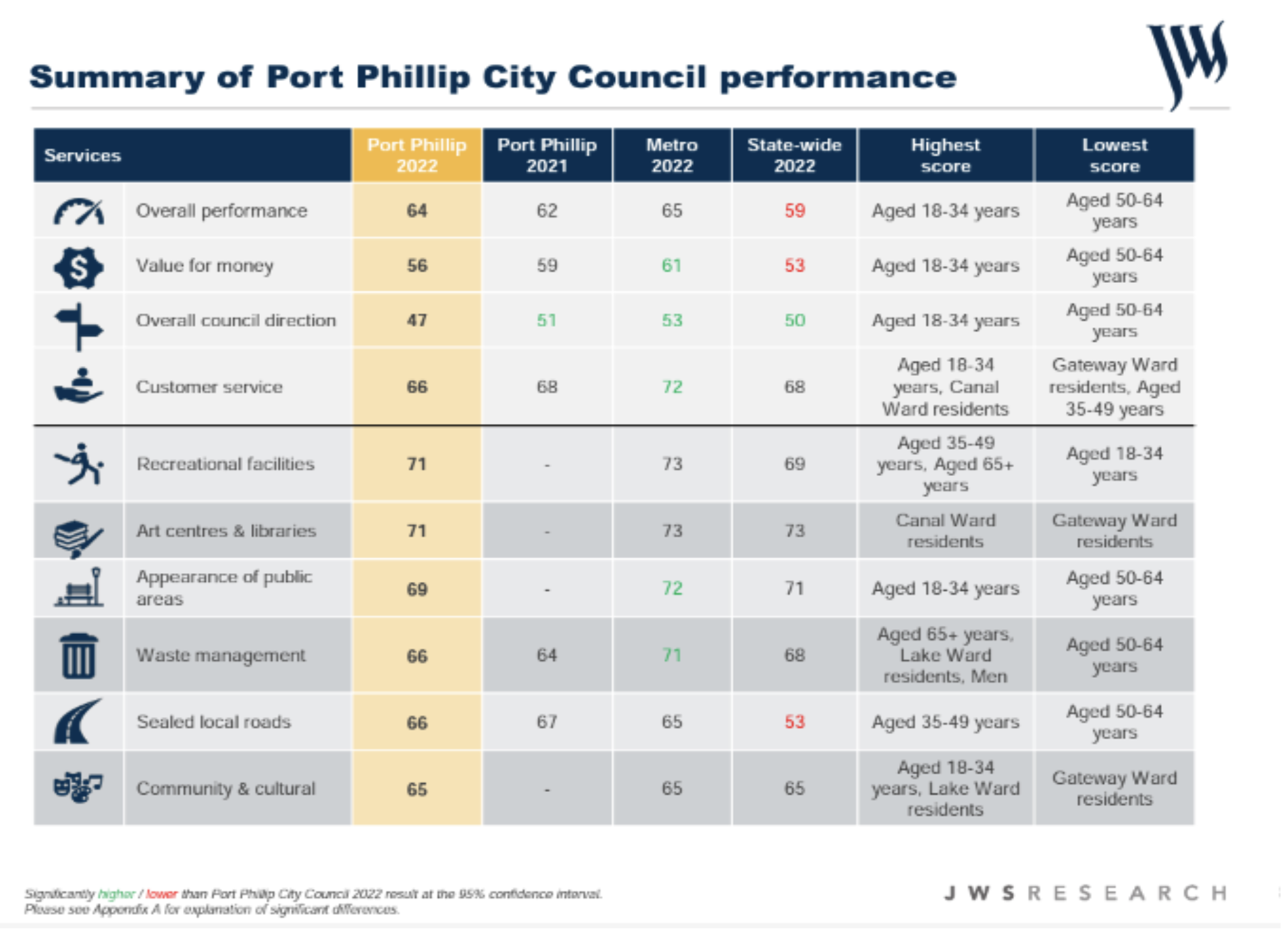
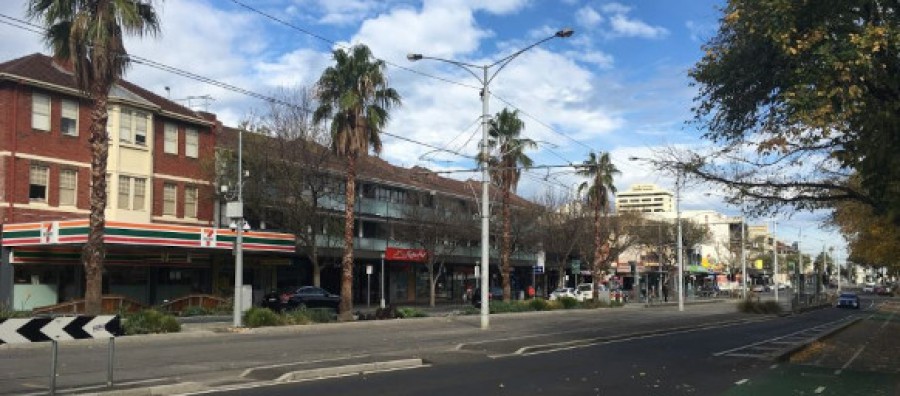
Ask yourself, have services improved with this high staff ratio to population? Where is the productivity dividend through greater use of technology? Is the council demonstrating a lean approach to its finances? Are core council responsibilities being met? Are our retail strips in good order? Is the City of Port Phillip growing or contracting as an economy? Clearly on nearly every metric, none of the above is being demonstrated. It could be argued that the CoPP is nothing more than mediocrity at its finest.
The concerning read of the Council Watch data adds weight to only one rational conclusion - that the CoPP is running an organisation that has excess staff, that is on average overpaid or structurally top heavy and anecdotally with ongoing poor productivity.
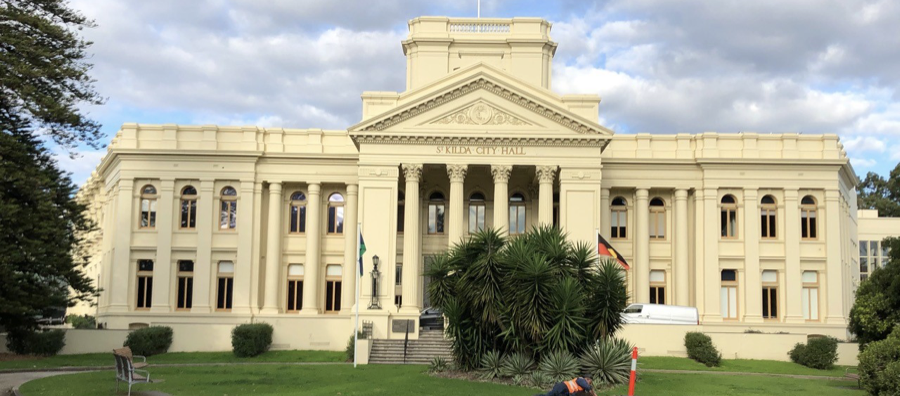
While this rarefied world of jobs for life on higher-than-average salaries (relative to the private sector) can continue at city hall because ratepayers are the mugs that are ultimately footing the bill, we forget a key word - RISK.
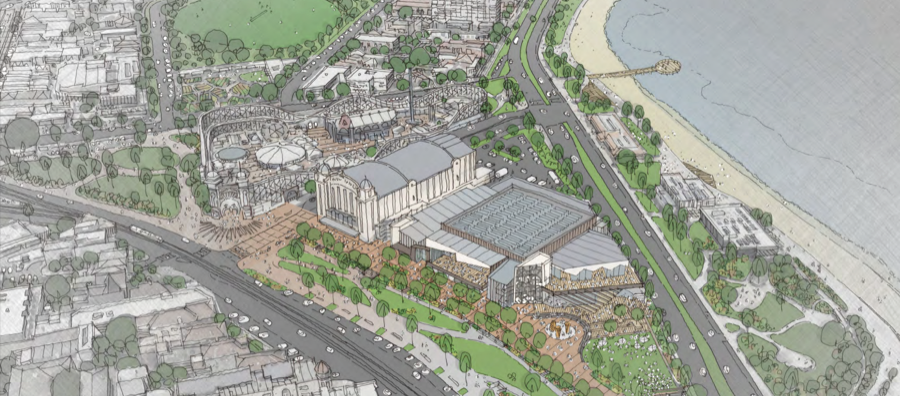
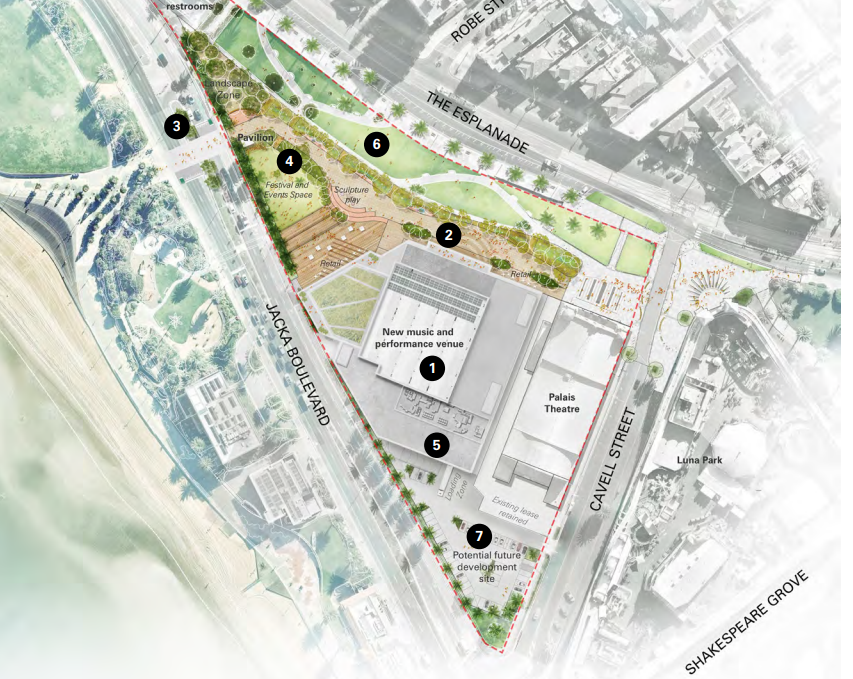
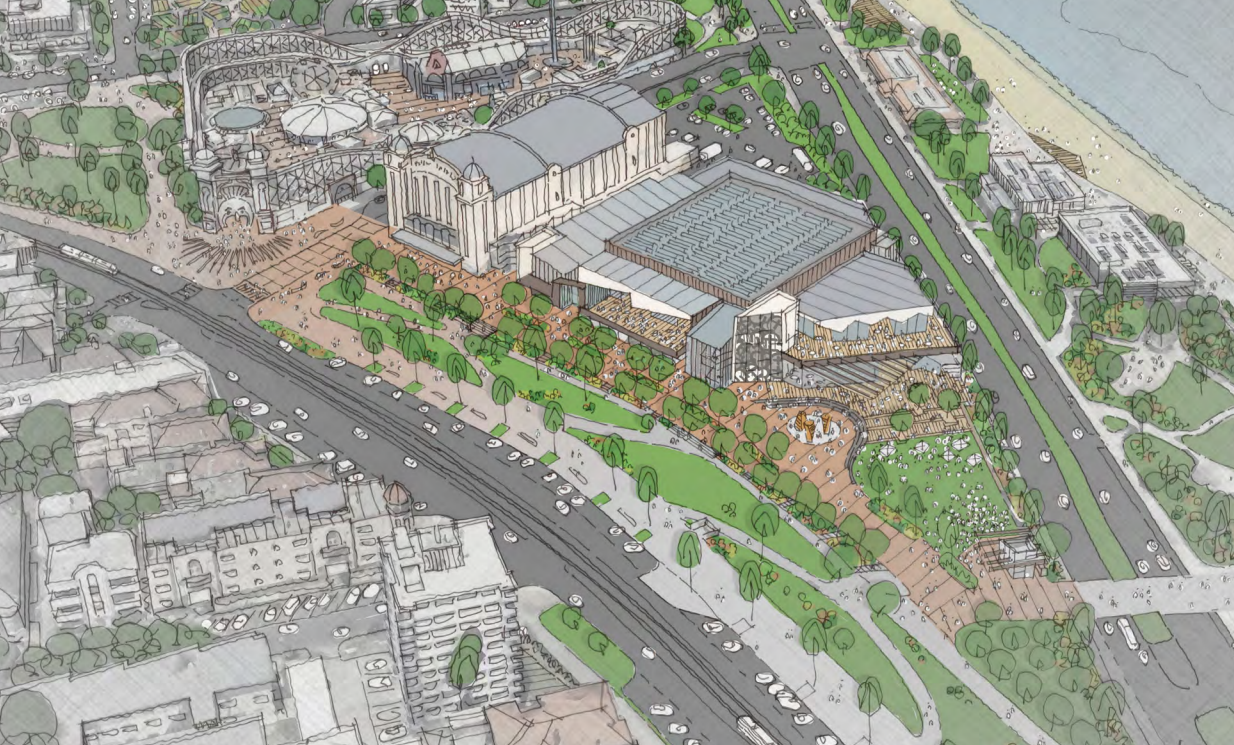
The CoPP is not currently fit for purpose, not pencil sharp on its core mandate and not ready for potentially major looming risks. In particular, the "almost certain" financial risks that CoPP will face due to Fishermen’s bend infrastructure funding shortfalls and potential development risks, and if the St Kilda Triangle moves into the construction phase, irrespective of a touted low cost private/public partnership.
If the City of Port Phillip was serious about financial responsibility, it should conduct a top-down review of all expenditures, staffing structures including staffing levels, and the elimination of all non-core, non-essential responsibilities. To continue business as usual is but a slap in the face to ratepayers and the broader community who are hit with heavy handed rates, poor service delivery and wasteful expenditure.

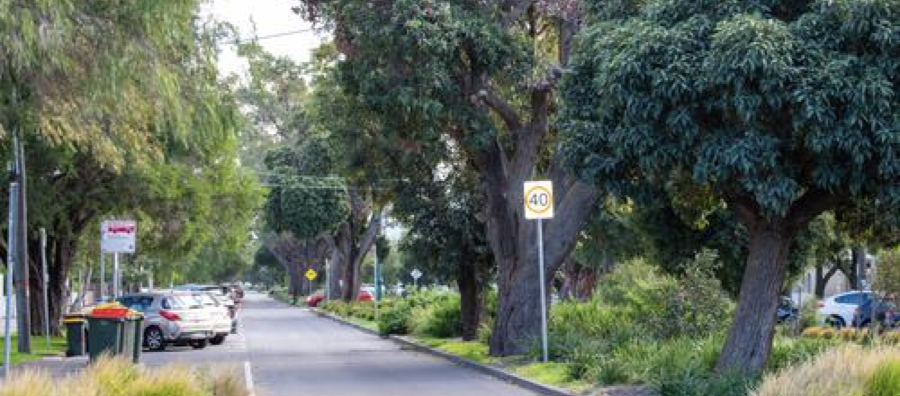
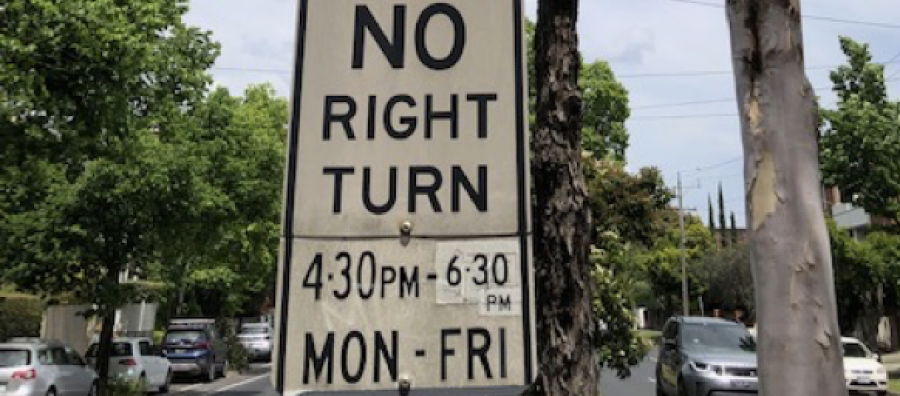
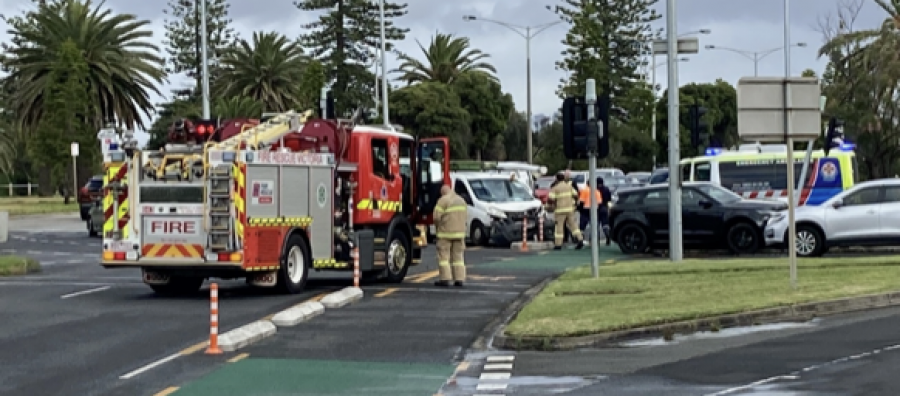
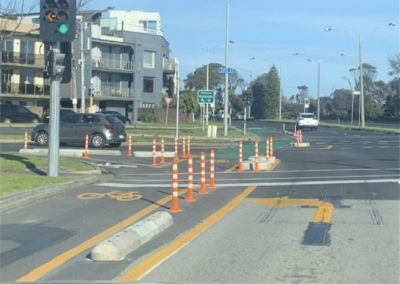
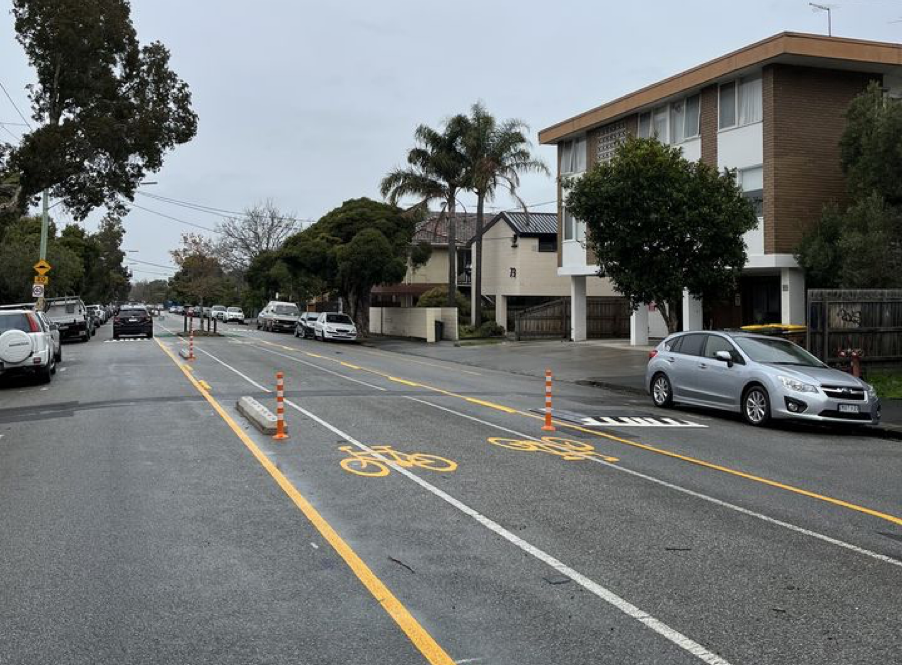
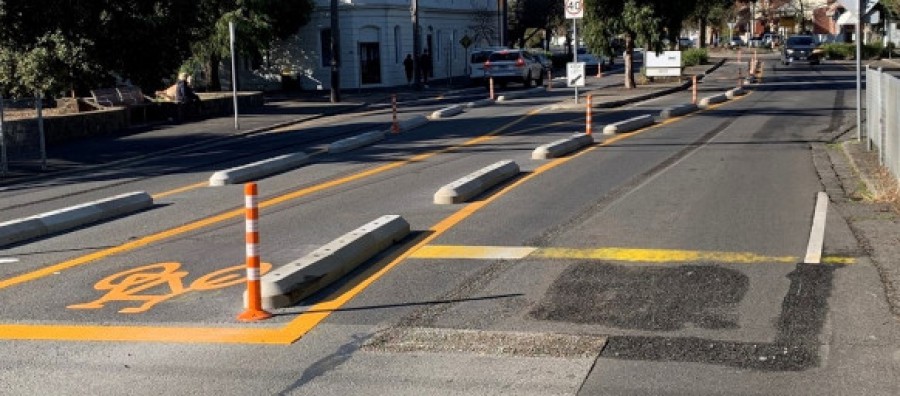
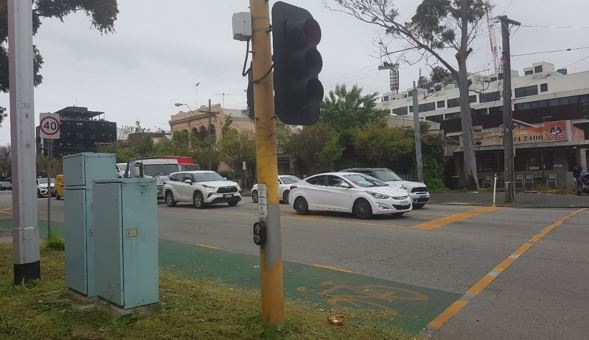
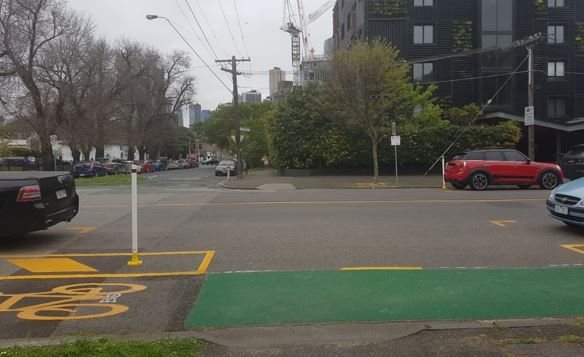
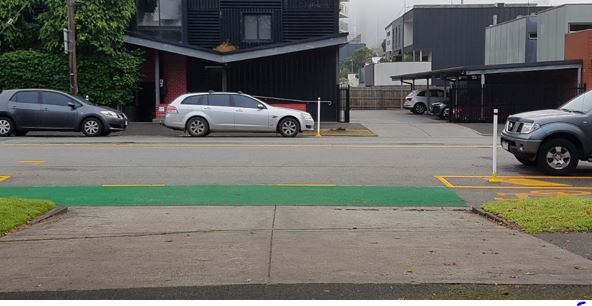
In Melbourne’s evolving landscape, the Council of Port Phillip’s recently proposed Inkerman Safety Improvement Project offers a significant, albeit contentious, addition to the city’s infrastructure. Although there are safety concerns that need to be addressed, there is little or no consideration of the impact of reduced carparking on residents and businesses on Inkerman Road and side streets. While the initiative aims to enhance road safety and pedestrian well-being, it also joins a lineage of road and bike lane projects that have sparked heated debates and policy reversals.
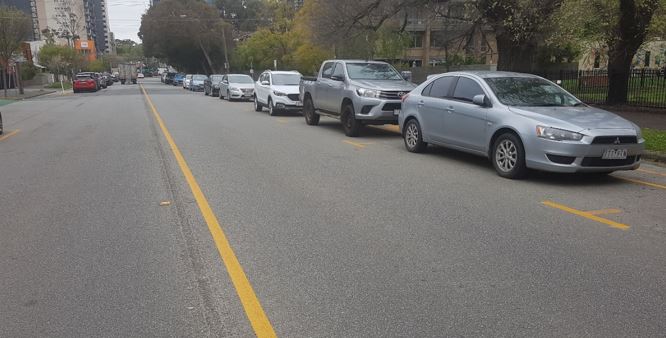
The immediate concern tied to the Inkerman Project is the apparent oversight concerning its impact on residential and business car parking. While there are valid safety concerns that demand redressal, the project seems to give little to no consideration to the reduction in parking availability on Inkerman Road and adjacent streets. Such an omission reflects a pattern seen in previous council projects, where practicalities affecting daily life are often sidelined.
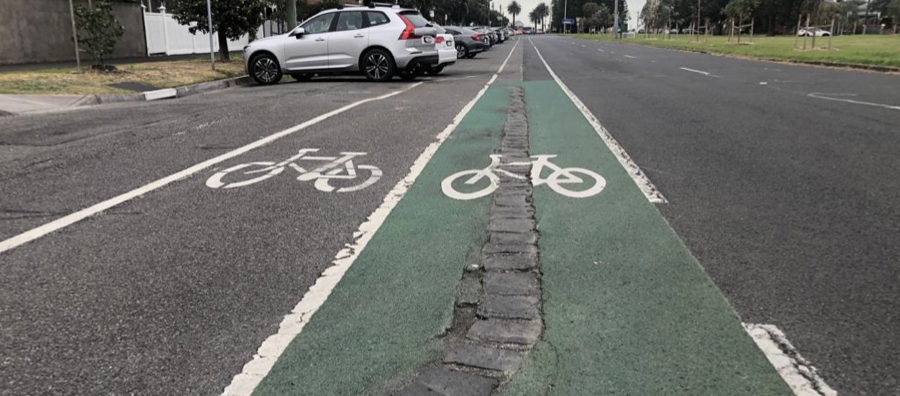
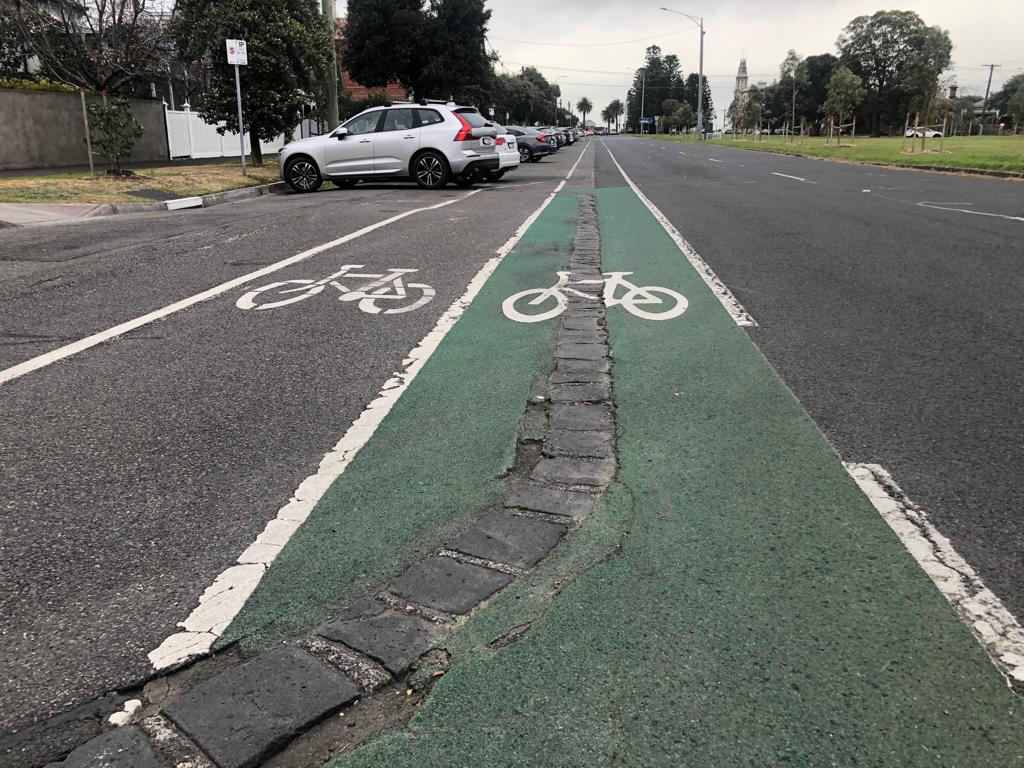
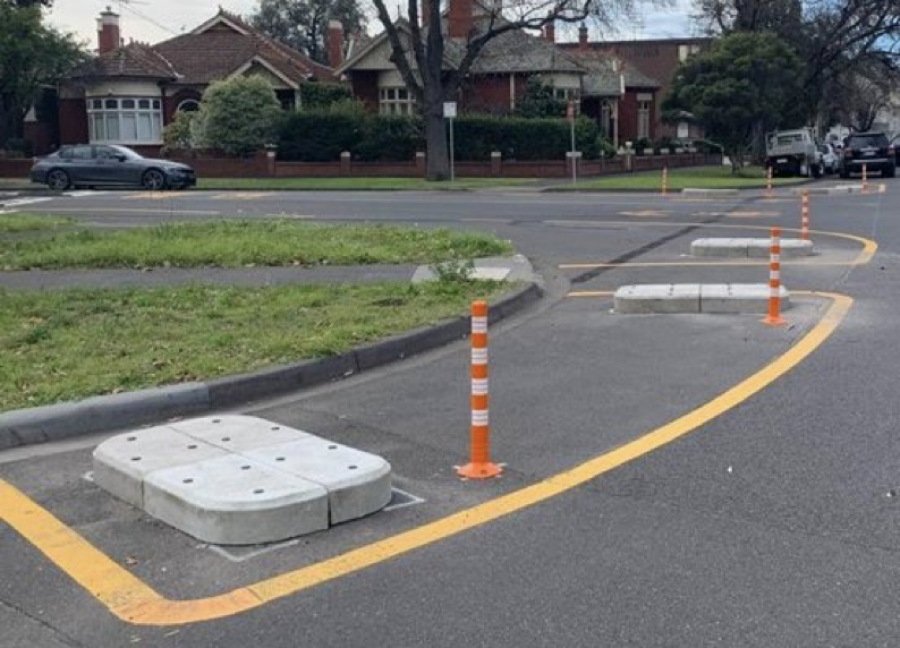
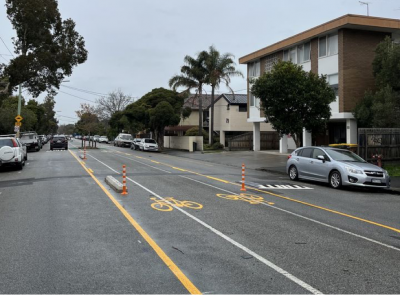
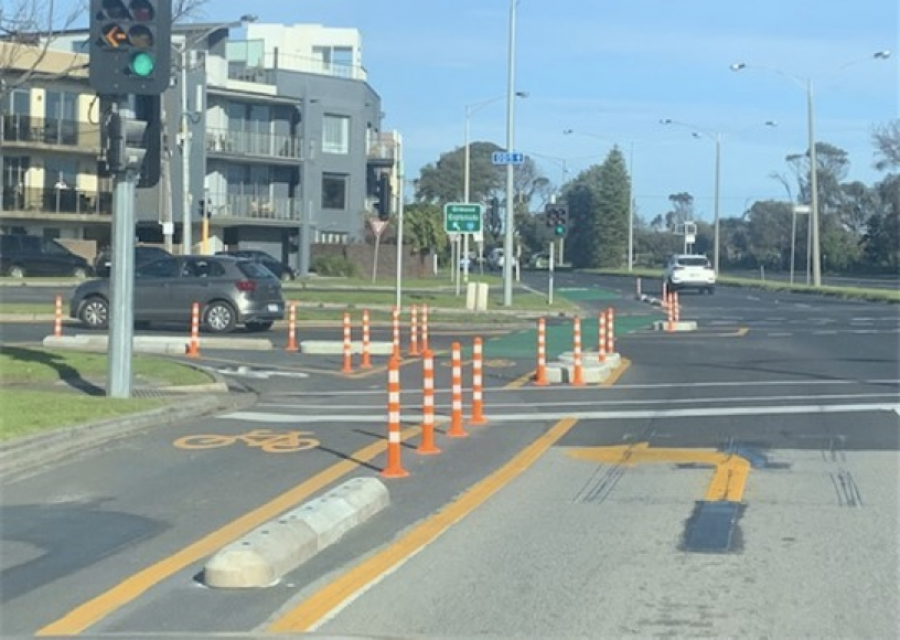
Moreover, the council is currently soliciting feedback on two design options for bicycle lanes on Inkerman Road between St Kilda Road and Hotham Street. Option A is a physically protected bike lane which results in the removal of 116 carparks between St Kilda Road and Hotham Street and Option B is a painted bike lane with the loss of 20 carparks.
However, given its track record of nebulous consultation processes, one can’t help but question the efficacy of this outreach. Is this a genuine attempt to integrate community input, or another box-ticking exercise in public engagement?
A glaring example of such oversight is the Council’s recent misadventure with the Kerferd Road plan, a project that faced vehement community opposition and was eventually rescinded. As a resident astutely noted, the council seemed to be “wilfully ignoring” the populace who had earlier advocated against poorly designed bike lanes. The council’s decision to reintroduce the Kerferd Road proposal, despite known public opposition, raises unsettling questions about the Inkerman Project’s community engagement process.
Furthermore, much like the contentious Kerferd Road proposal, the Inkerman Project aims to introduce new bike lanes and reconfigure existing ones. While promoting cycling is commendable, the Council’s previous floundering with similar initiatives calls for a more considered approach. Past projects like “Shrine to Sea” and pop-up bike lanes have been discontinued, creating a state of “bike lane fatigue” among residents. This turbulent history makes it difficult for any new proposals, such as the Inkerman Project, to be met with enthusiasm.
The Inkerman Safety Improvement Project presents a complex challenge. Its laudable goals are overshadowed by a history of failed community engagements and inadequate planning. From overlooking basic necessities like parking to erratic stances on bike lanes, the Council of Port Phillip must rethink its strategy if the Inkerman Project is to avoid becoming yet another footnote in a string of well-intentioned but poorly executed initiatives.
As the adage goes, those who cannot remember the past are condemned to repeat it. The Council finds itself at a crossroads: learn from past failures or proceed on a course that may lead to another planning debacle.
Council is currently asking residents for feedback on two design options for bicycle lanes in Inkerman Road between St Kilda Road and Hotham Street, St Kilda East”. Provide your feedback https://haveyoursay.portphillip.vic.gov.au/help-improve-road-safety-inkerman-street