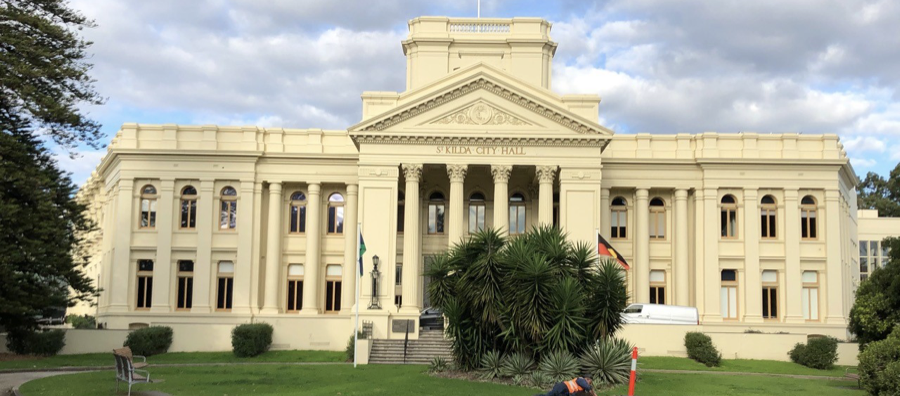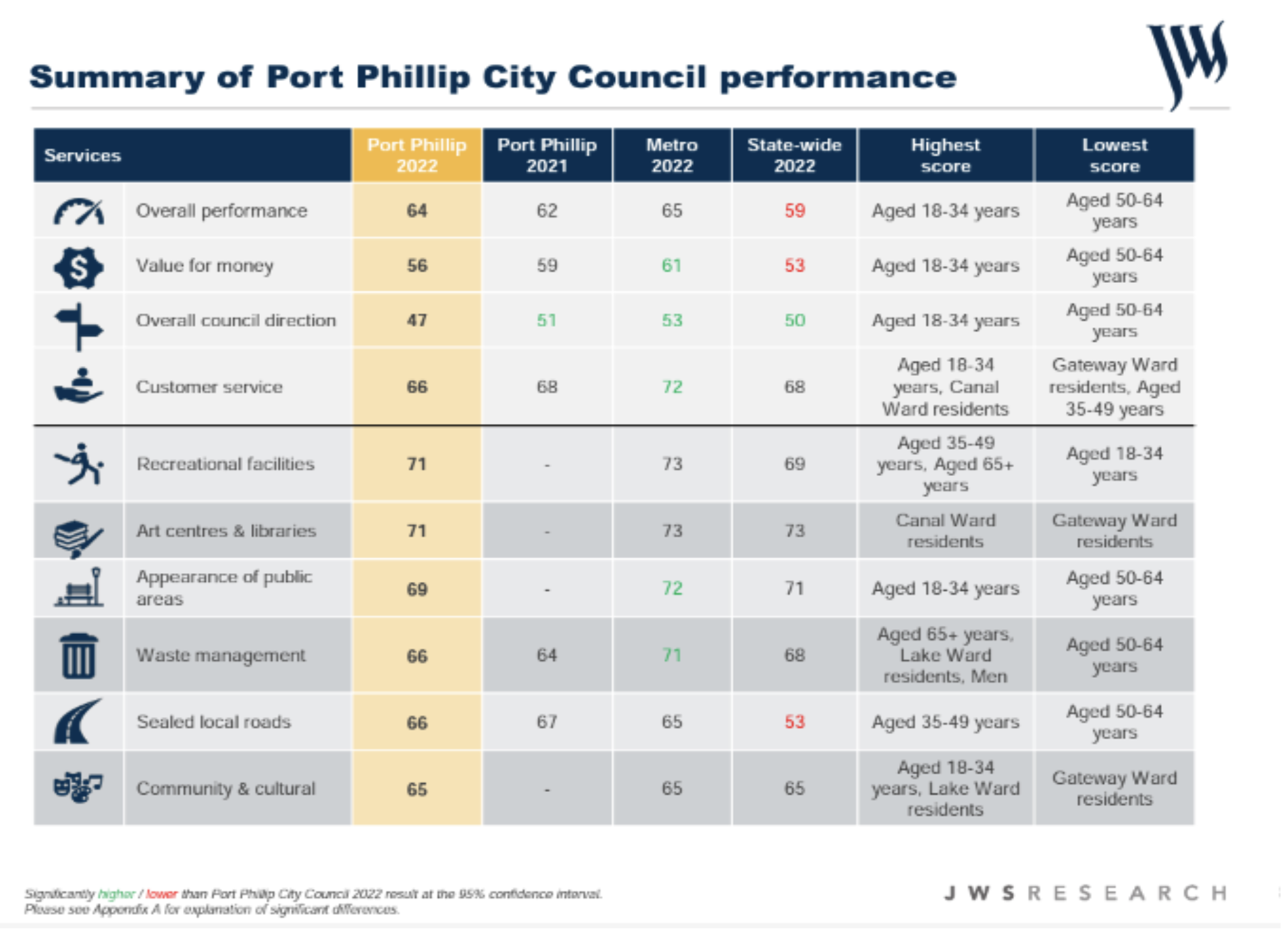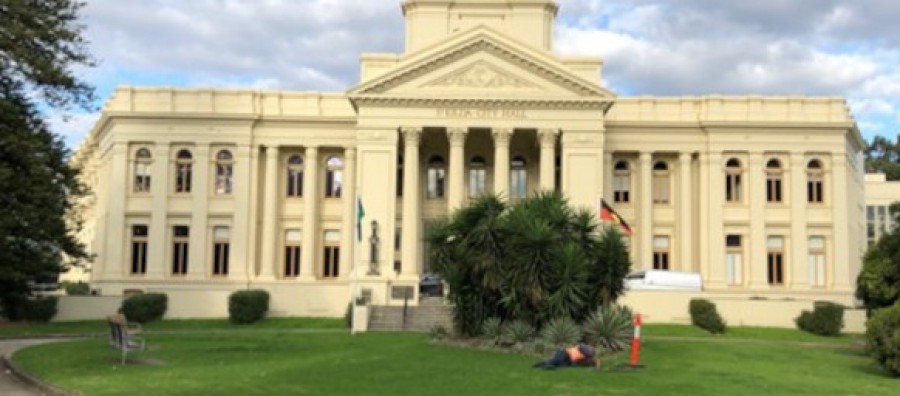
ポートフィリップ市(CoPP)に主に資金を提供している料金支払者が、議会が示す焦点と規律の欠如をしばらく懸念していたことは周知の事実である。カウンシル・ウォッチがまとめた最近のデータは、料金支払者だけでなく料金を支払っていない国民にも影響を与える議会の規模に関する懸念すべき内容を再び伝えている。
今週発表されたメルボルン地下鉄議会のデータによると、ポートフィリップ市は職員数847名で、平均給与コストが129,174ドルで驚くべき第2位となった。これは、人口1,000人に対する職員数の比率に換算すると8.6名ということになる。ポートフィリップ市(メトロメルボルンで3番目に高い)の職員数は1000人当たり平均6.0人である。
次のことを考えてみましょう。ポートフィリップ市は、潜在的な差し迫ったリスクのためではなく、市議会議員の「ペットイニシアチブ」への資金提供を含め、税金と支出の考え方の継続のため、さらなる利上げを継続的に主張しています。
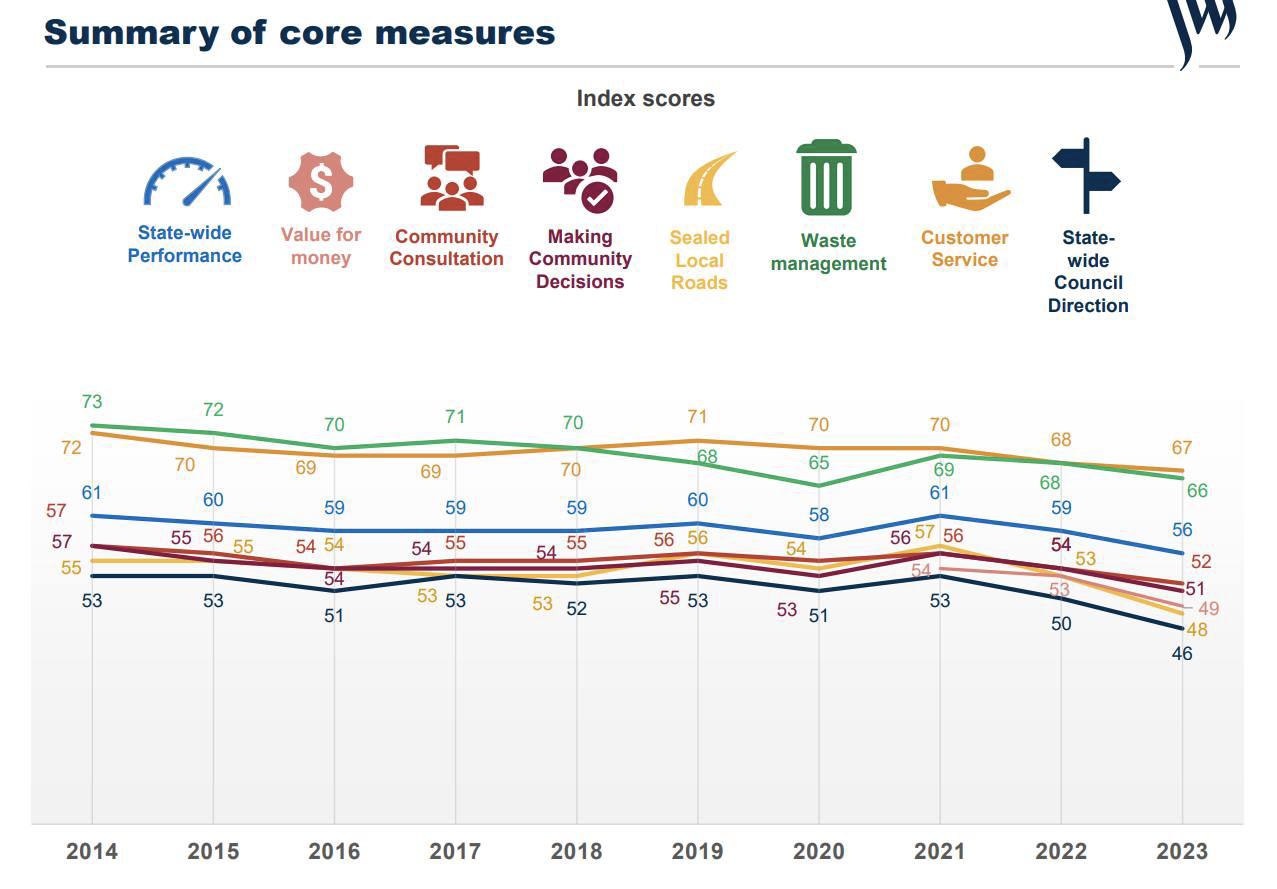
昨年、ポートフィリップ住民(コミュニティ協会)の努力により、料金の値上げはビクトリア州政府が指定した最大値よりも削減されました。苦労して勝ち取った利上げ削減にもかかわらず、CoPP は収益性の点で依然として審議会の下 3 分の 1 に位置している。 CoPPは2023~24年に1000万ドルの黒字(利益)を予算化している。
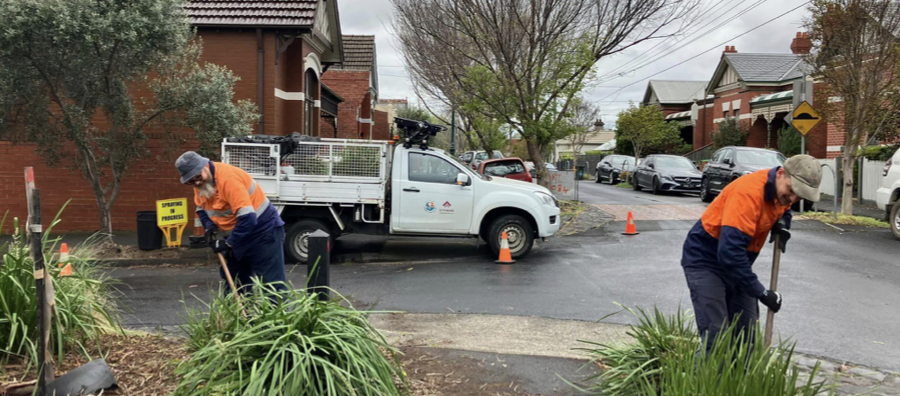
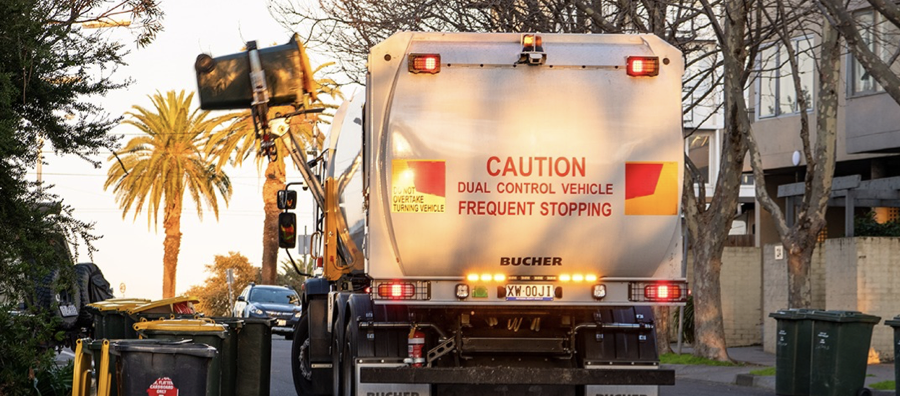
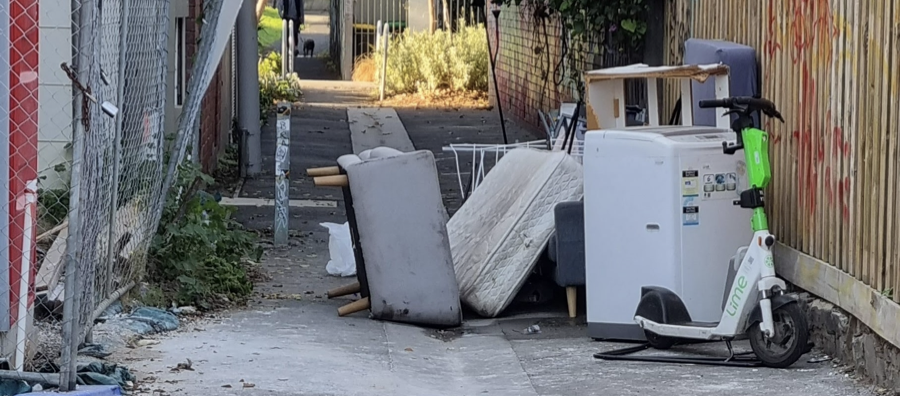
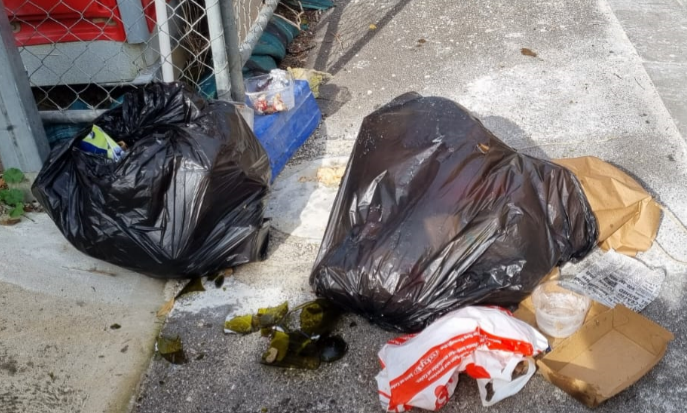
CoPP は近隣のグレンエイラ市、ストニントン市、ベイサイド市の議会と比較して過剰な料金体系を採用しており、この高料金制度がより高い給与構造と過剰な人員配置によって内部で食いつぶされていることが証拠から示唆されています。わずか 103,000 人の住民に対して 847 人の職員は多すぎると思うなら、議会サービスの多くが外部委託されているという事実も考慮してください。ゴミの撤去は主な業務であり、外部委託されています。最近その練習がどうなったかを自問してください。
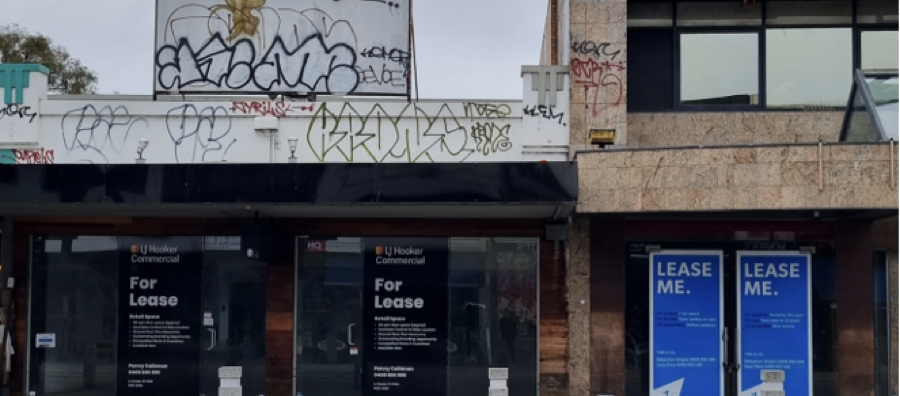
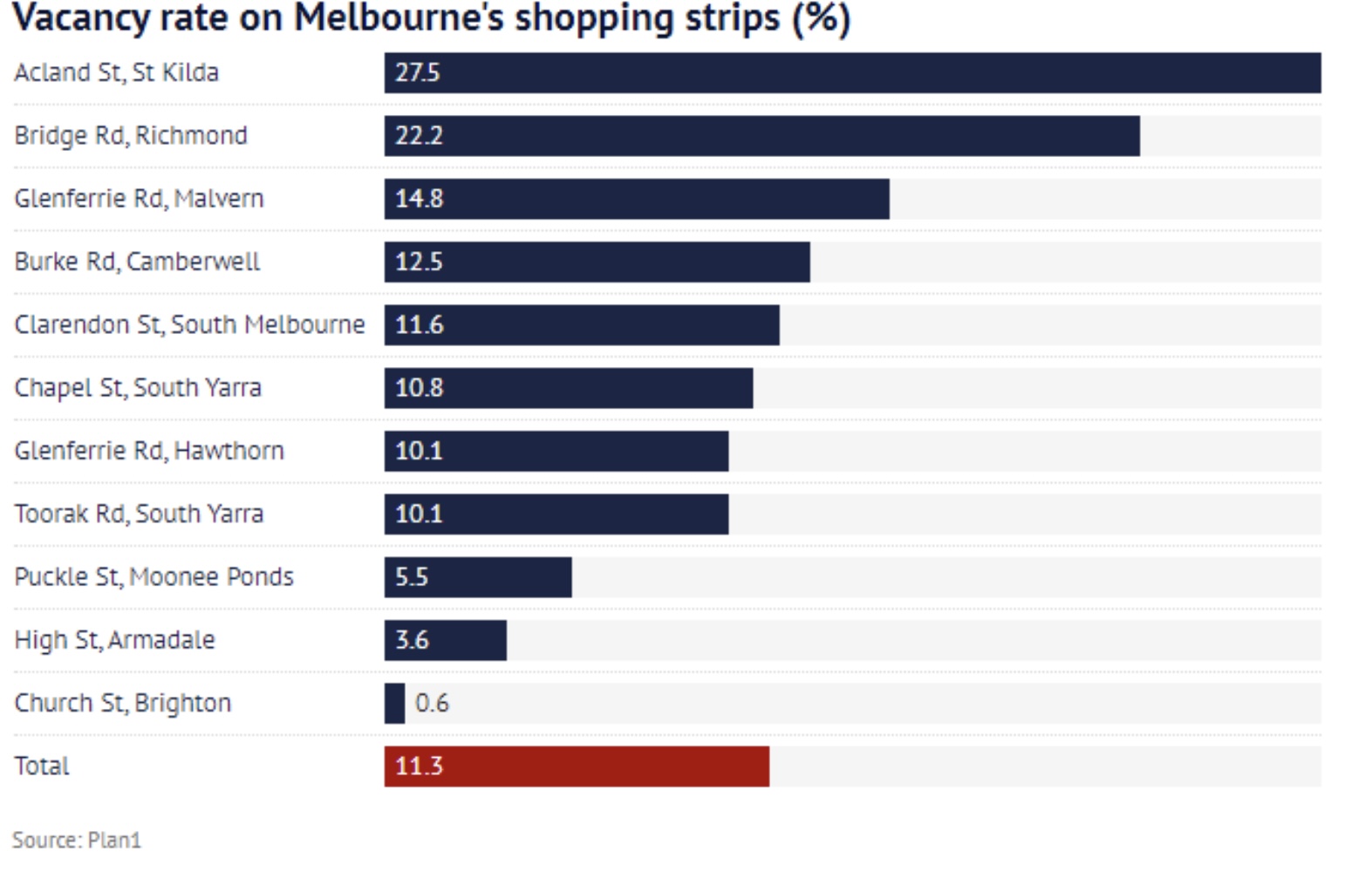
人口に対するスタッフの比率がこれほど高いことで、サービスは向上したか、自問してみてください。テクノロジーの利用拡大による生産性の向上はどこにあるのでしょうか?市議会は財政に対して無駄のないアプローチを示していますか?評議会の中核となる責任は果たされていますか?私たちの小売ストリップは良好な状態ですか?ポート フィリップ市の経済は成長していますか、それとも縮小していますか?ほぼすべての指標において、上記のどれも実証されていないのは明らかです。 CoPP はせいぜい平凡に過ぎないと主張する人もいるだろう。
評議会ウォッチのデータの憂慮すべき読み取りは、ただ一つの合理的な結論に重みを加えるものである。それは、CoPP が余剰人員を抱えた組織を運営しており、平均して賃金が高すぎるか、構造的にトップクラスの重労働で、逸話的には生産性が継続的に低いというものだ。
平均よりも高い給与(民間部門と比較して)で終身雇用が得られるこの希有な世界が市役所で継続できる一方で、最終的に税金を賄うのは料金支払者であるため、私たちはリスクというキーワードを忘れています。
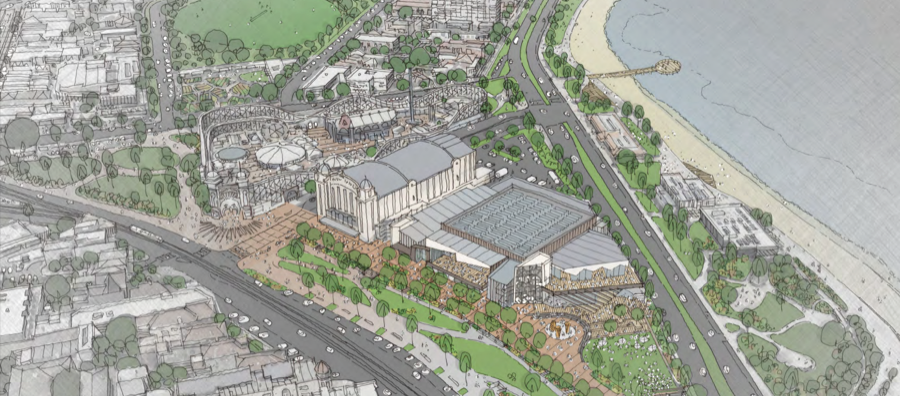
CoPP は現在、目的に適合しておらず、その中核的使命を鉛筆で鋭く果たしておらず、潜在的に迫り来る重大なリスクに備えることができていない。特に、フィッシャーマンズ・ベンドのインフラ資金不足と潜在的な開発リスク、そして宣伝されている低コストの官民パートナーシップとは関係なく、セントキルダ・トライアングルが建設段階に移行した場合、CoPPが直面する「ほぼ確実な」財務リスクである。
ポートフィリップ市が財政責任を真剣に考えているのであれば、すべての支出、職員レベルを含む職員配置の構造をトップダウンで見直し、中核的でない、必須ではない責任をすべて排除すべきである。通常通りの事業を継続することは、高圧的な料金、質の悪いサービス提供、無駄な出費に見舞われている料金支払者と広範な地域社会にとっては痛手でしかありません。

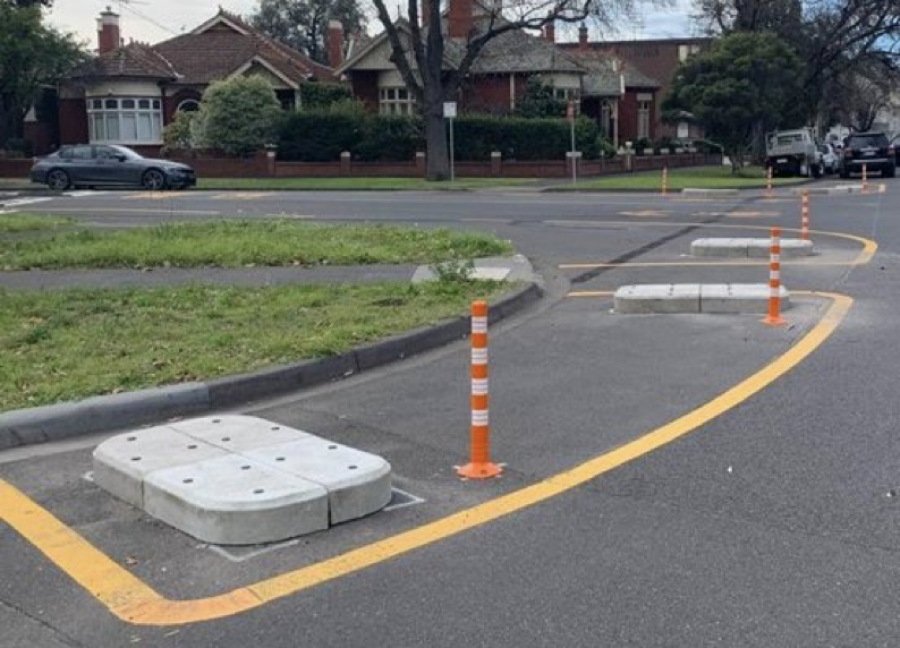
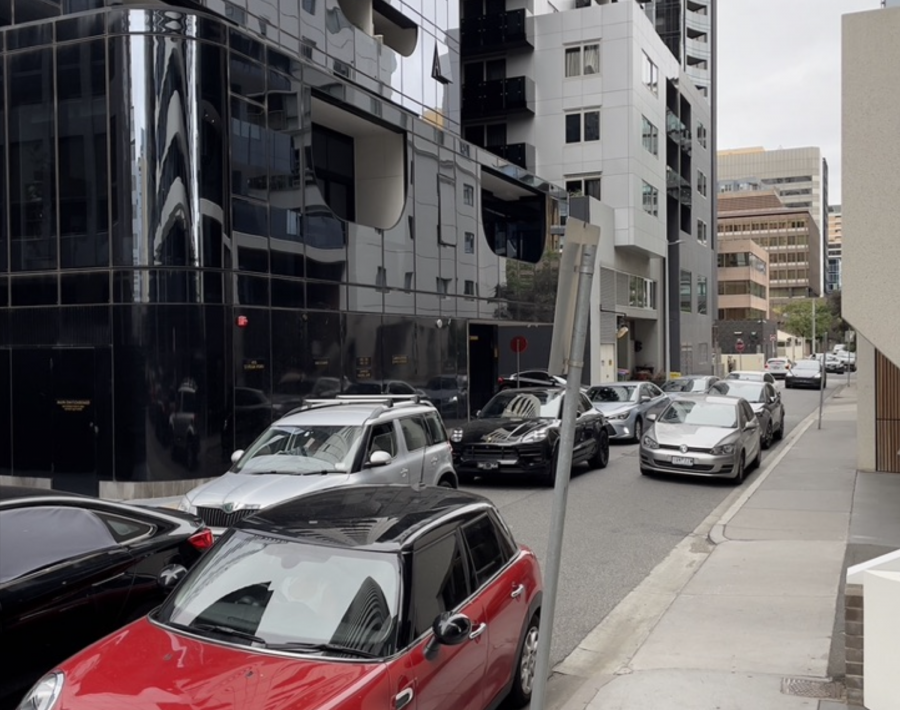
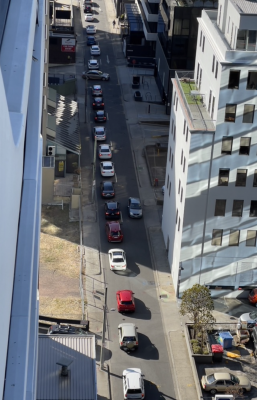
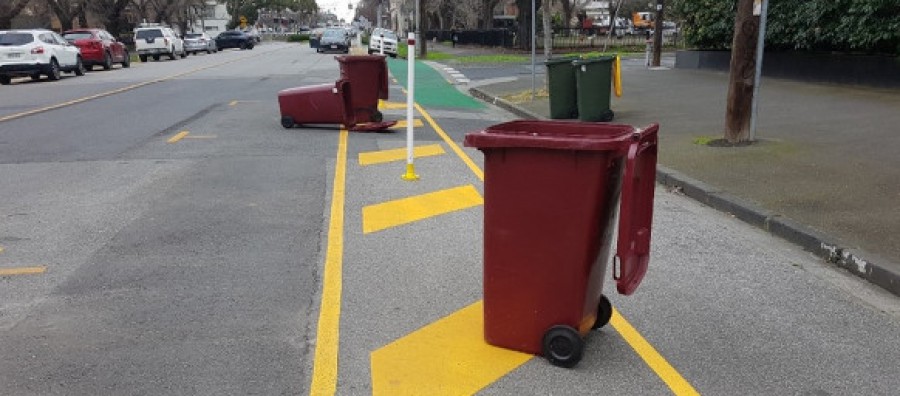
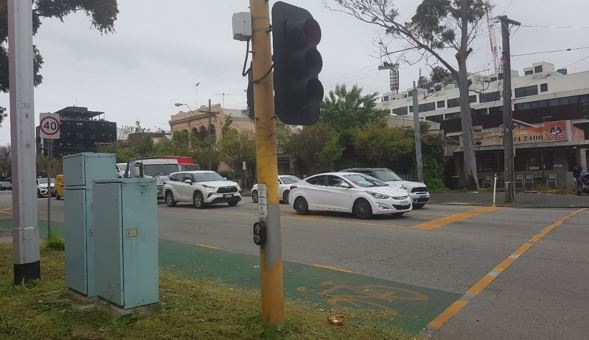
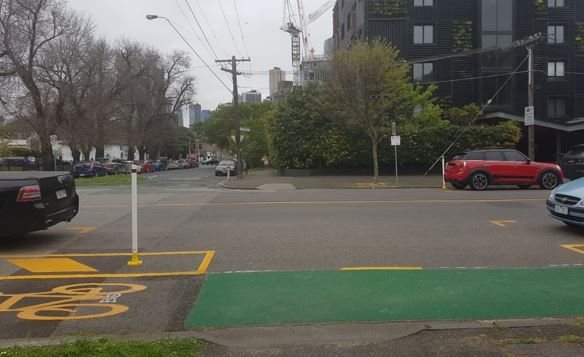
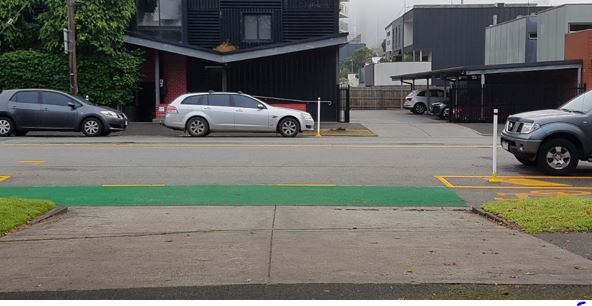
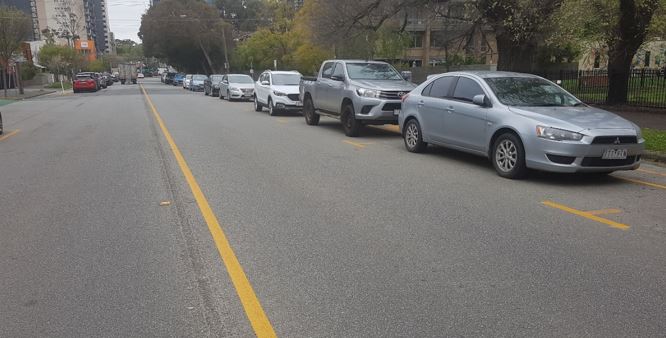
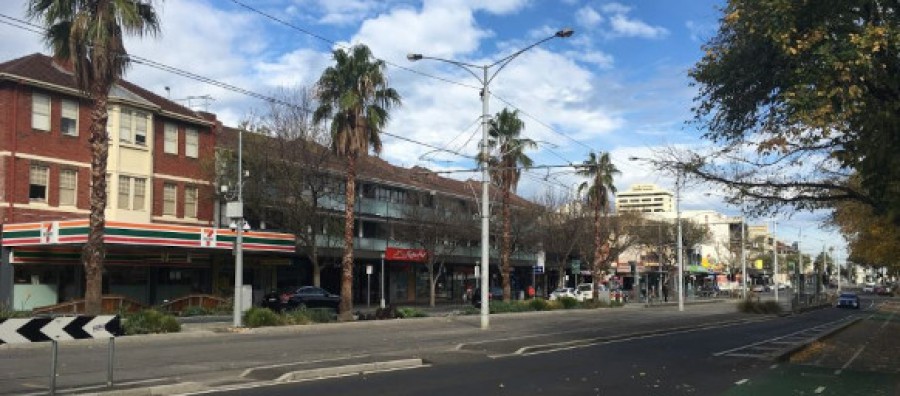
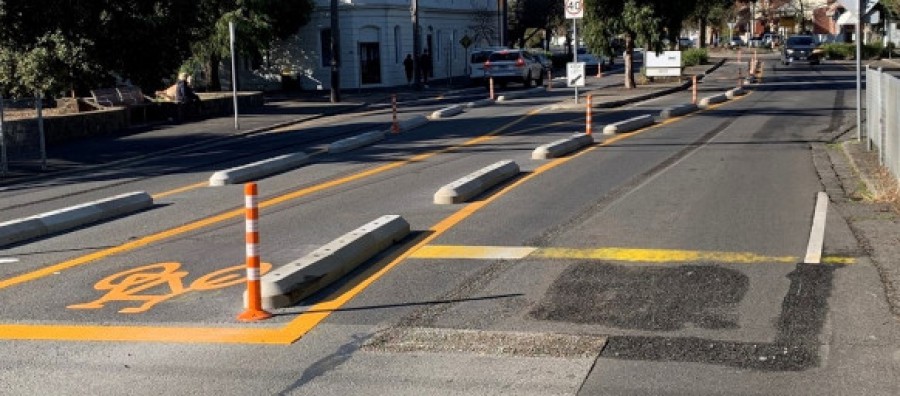
In Melbourne’s evolving landscape, the Council of Port Phillip’s recently proposed Inkerman Safety Improvement Project offers a significant, albeit contentious, addition to the city’s infrastructure. Although there are safety concerns that need to be addressed, there is little or no consideration of the impact of reduced carparking on residents and businesses on Inkerman Road and side streets. While the initiative aims to enhance road safety and pedestrian well-being, it also joins a lineage of road and bike lane projects that have sparked heated debates and policy reversals.
The immediate concern tied to the Inkerman Project is the apparent oversight concerning its impact on residential and business car parking. While there are valid safety concerns that demand redressal, the project seems to give little to no consideration to the reduction in parking availability on Inkerman Road and adjacent streets. Such an omission reflects a pattern seen in previous council projects, where practicalities affecting daily life are often sidelined.
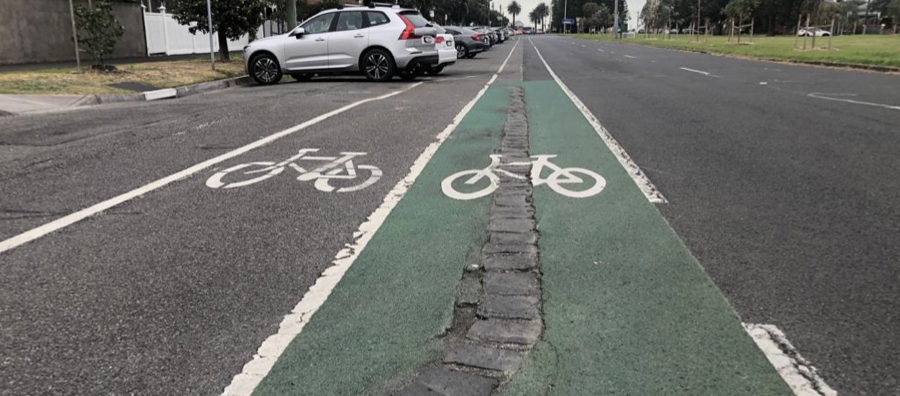
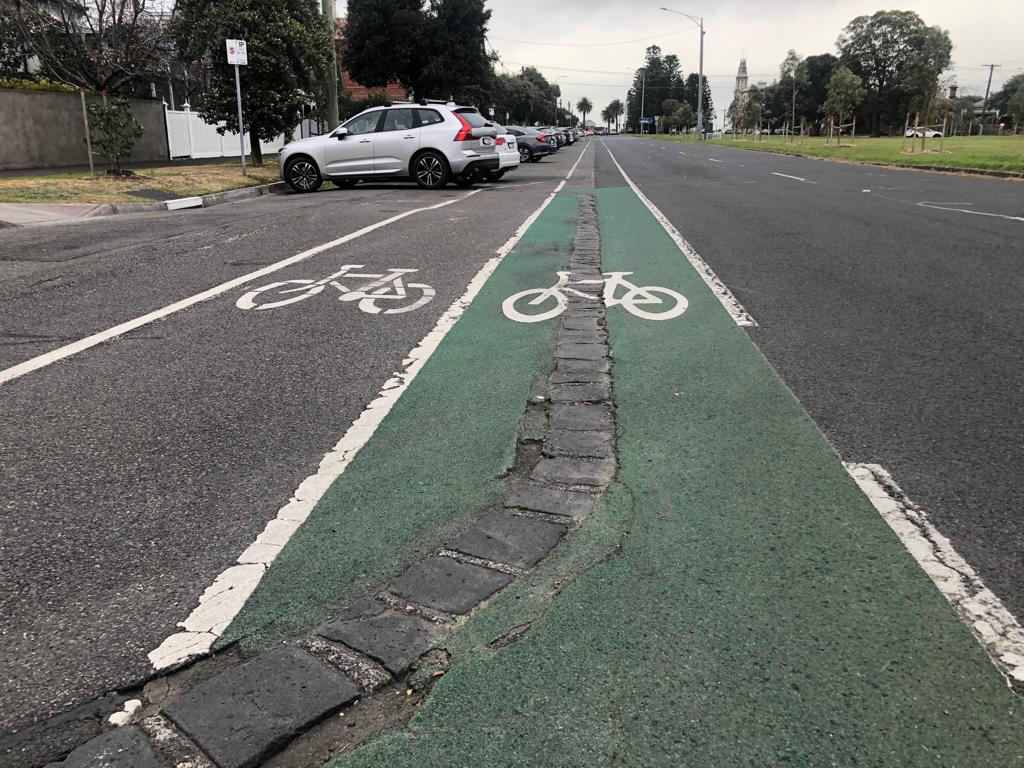
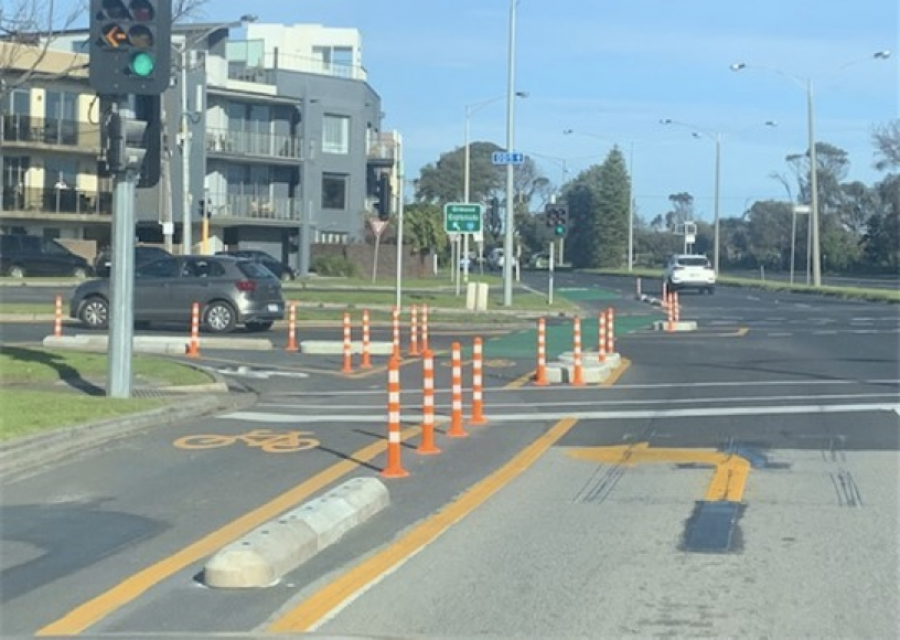
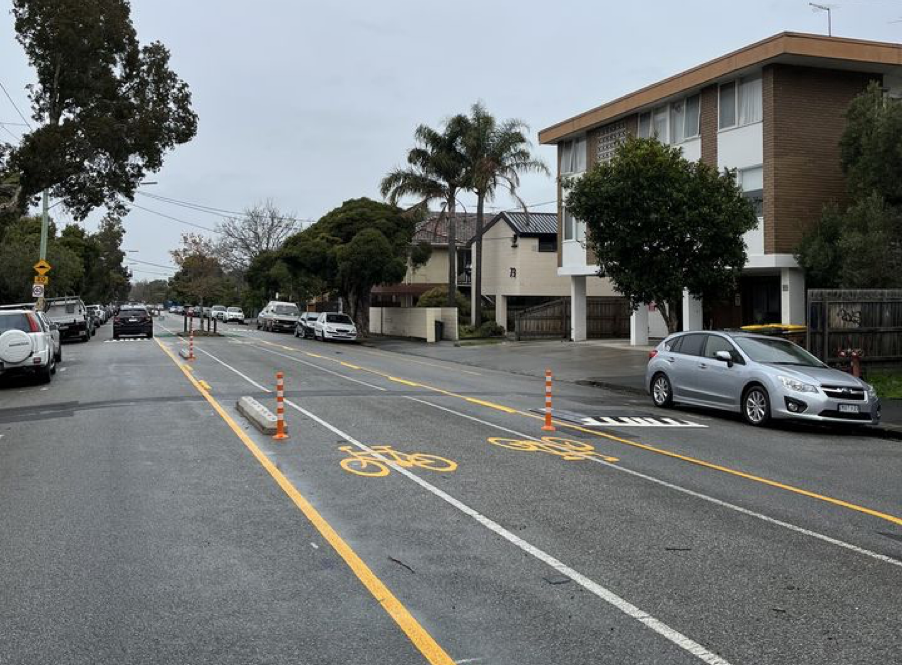
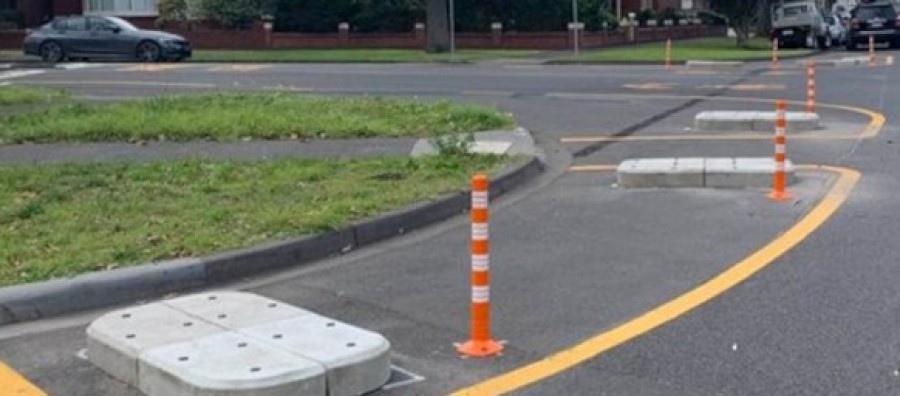
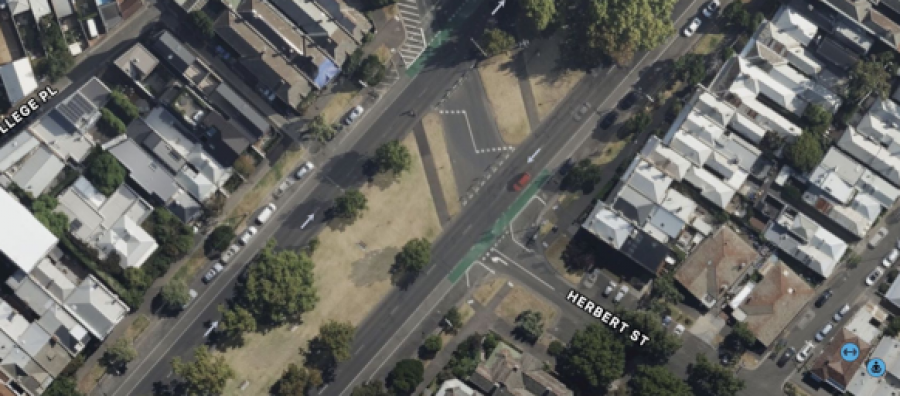
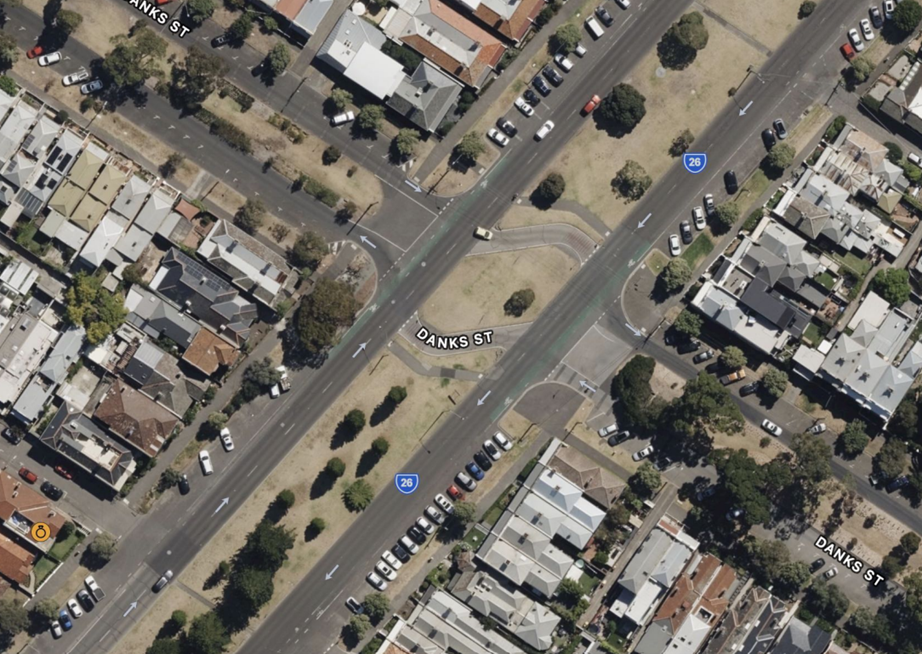
Moreover, the council is currently soliciting feedback on two design options for bicycle lanes on Inkerman Road between St Kilda Road and Hotham Street. Option A is a physically protected bike lane which results in the removal of 116 carparks between St Kilda Road and Hotham Street and Option B is a painted bike lane with the loss of 20 carparks.
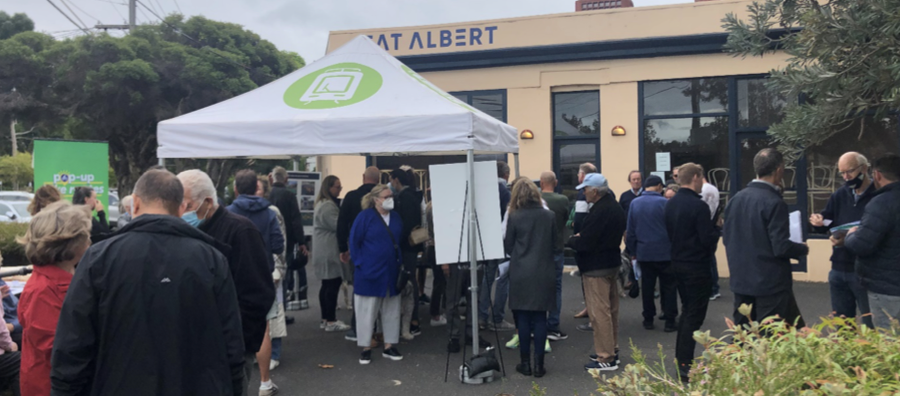
However, given its track record of nebulous consultation processes, one can’t help but question the efficacy of this outreach. Is this a genuine attempt to integrate community input, or another box-ticking exercise in public engagement?
A glaring example of such oversight is the Council’s recent misadventure with the Kerferd Road plan, a project that faced vehement community opposition and was eventually rescinded. As a resident astutely noted, the council seemed to be “wilfully ignoring” the populace who had earlier advocated against poorly designed bike lanes. The council’s decision to reintroduce the Kerferd Road proposal, despite known public opposition, raises unsettling questions about the Inkerman Project’s community engagement process.
Furthermore, much like the contentious Kerferd Road proposal, the Inkerman Project aims to introduce new bike lanes and reconfigure existing ones. While promoting cycling is commendable, the Council’s previous floundering with similar initiatives calls for a more considered approach. Past projects like “Shrine to Sea” and pop-up bike lanes have been discontinued, creating a state of “bike lane fatigue” among residents. This turbulent history makes it difficult for any new proposals, such as the Inkerman Project, to be met with enthusiasm.
The Inkerman Safety Improvement Project presents a complex challenge. Its laudable goals are overshadowed by a history of failed community engagements and inadequate planning. From overlooking basic necessities like parking to erratic stances on bike lanes, the Council of Port Phillip must rethink its strategy if the Inkerman Project is to avoid becoming yet another footnote in a string of well-intentioned but poorly executed initiatives.
As the adage goes, those who cannot remember the past are condemned to repeat it. The Council finds itself at a crossroads: learn from past failures or proceed on a course that may lead to another planning debacle.
Council is currently asking residents for feedback on two design options for bicycle lanes in Inkerman Road between St Kilda Road and Hotham Street, St Kilda East”. Provide your feedback https://haveyoursay.portphillip.vic.gov.au/help-improve-road-safety-inkerman-street