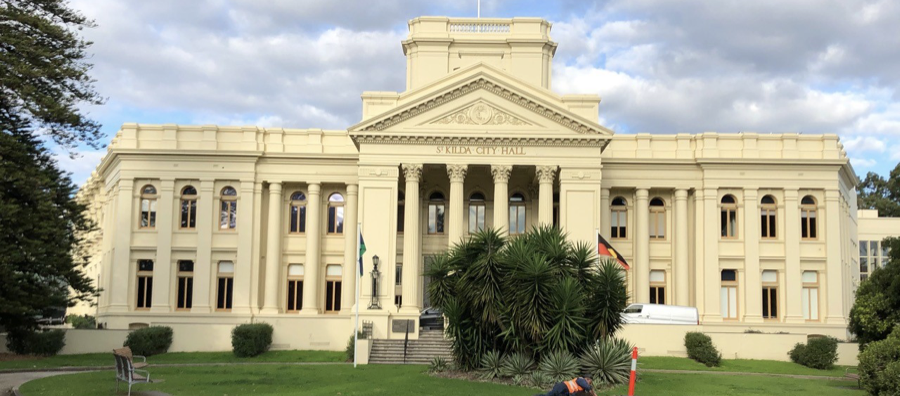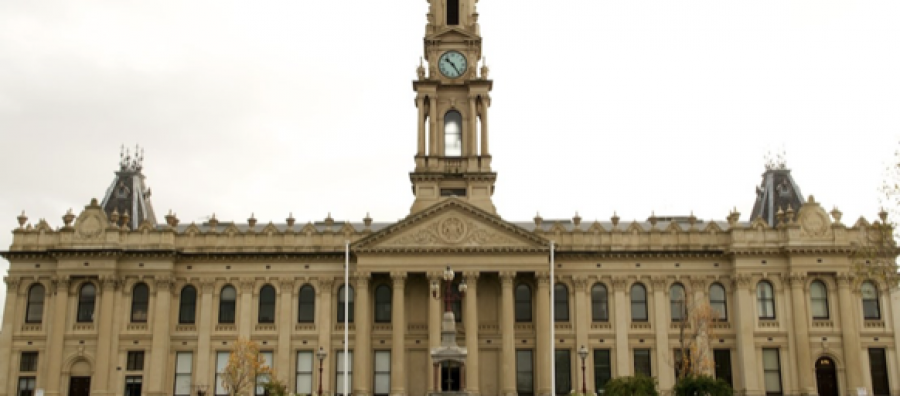
众所周知,为菲利普港市 (CoPP) 提供主要资金的纳税人一段时间以来一直担心该市议会缺乏重点和纪律。议会观察最近编制的数据再次讲述了一个关于议会慷慨的令人担忧的故事,它不仅影响纳税人,而且影响非纳税公众。
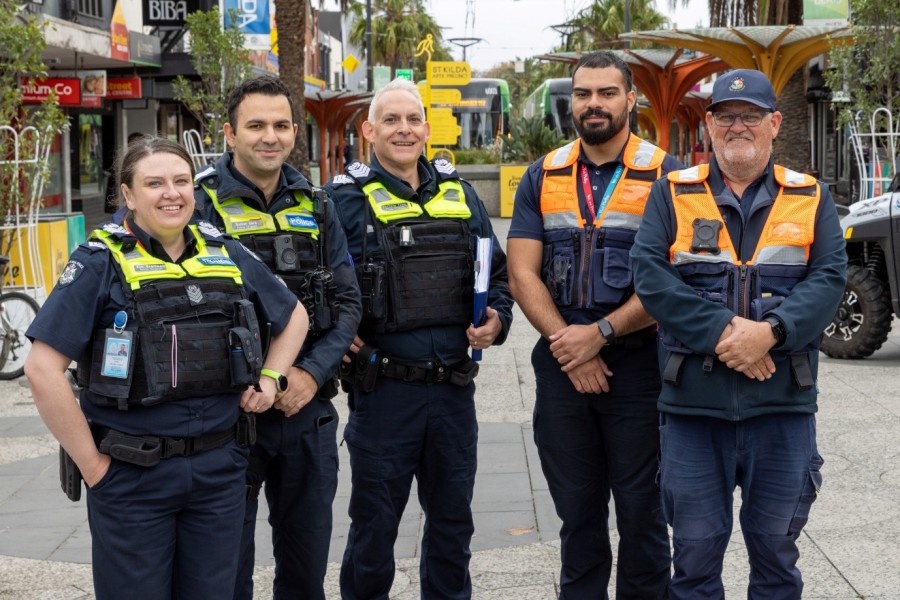
墨尔本地铁委员会本周发布的数据显示,菲利普港市的平均工资成本为 129,174 澳元,排名第二,员工数量为 847 人。这意味着,每 1000 名人口拥有 8.6 名员工。菲利普港市(墨尔本大都会区第三高)相比,平均每 1000 人有 6.0 名员工。
让我们考虑以下情况:菲利普港市不断主张提高利率,不是因为潜在的迫在眉睫的风险,而是为了继续税收和支出心态,包括为议员的“宠物倡议”提供资金。
去年,在菲利普港居民(社区协会)的努力下,维州政府指定的最高涨幅有所降低。尽管费率下调来之不易,但就盈利能力而言,CoPP 仍处于议会倒数三分之一的位置。 CoPP 为 2023-24 年制定了 1000 万美元盈余(利润)的预算。
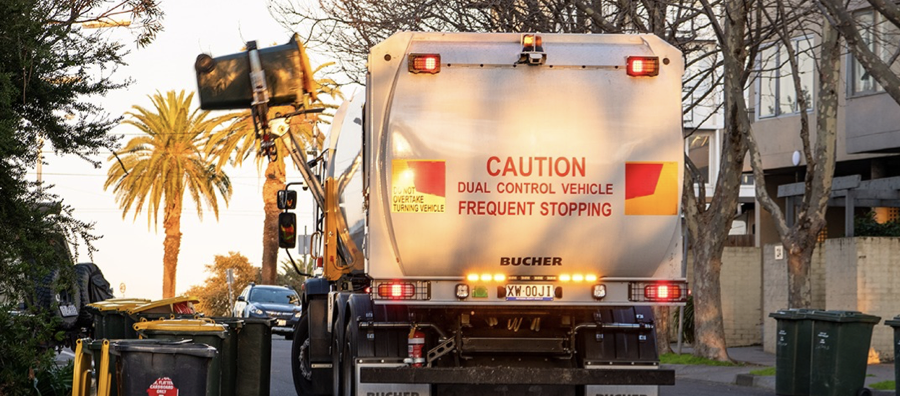
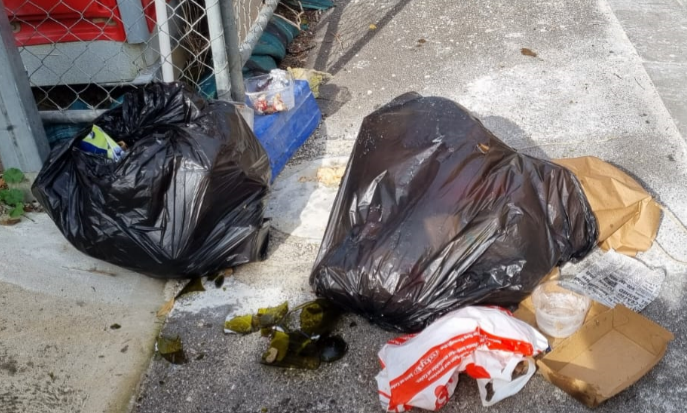
与邻近的格伦埃拉 (Glen Eira)、斯托宁顿 (Stonnington) 和贝赛德 (Bayside) 议会相比,CoPP 的利率结构过高,有证据表明,这种高利率制度正在因更高的薪资结构和人员过剩而在内部被蚕食。如果您认为 847 名工作人员对于仅有 103,000 名居民来说太多了,那么还要考虑一下这样一个事实,即议会的许多服务都是外包的!垃圾清除是一项核心职责,并且是外包的。问问自己最近的锻炼进展如何!
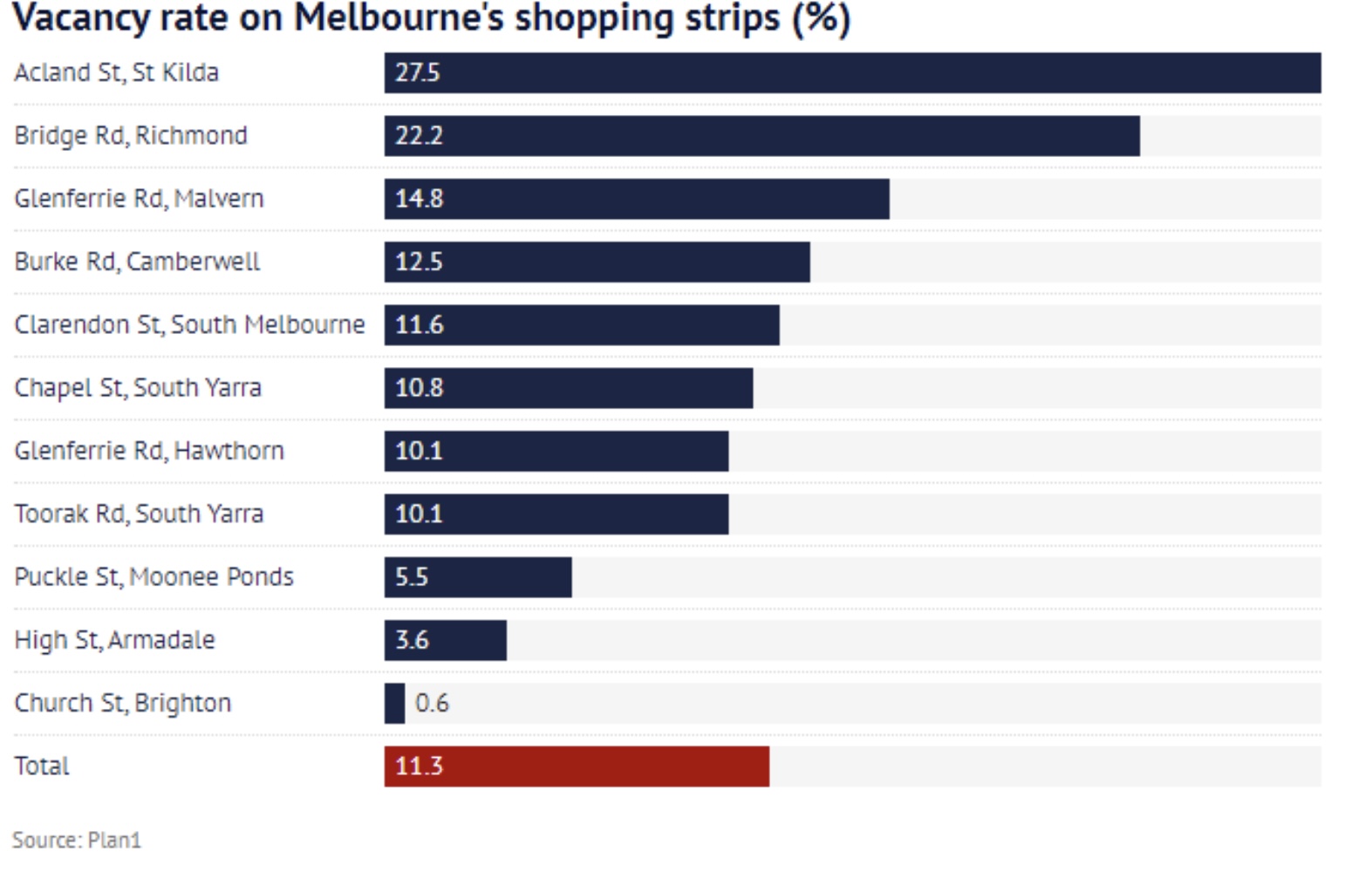
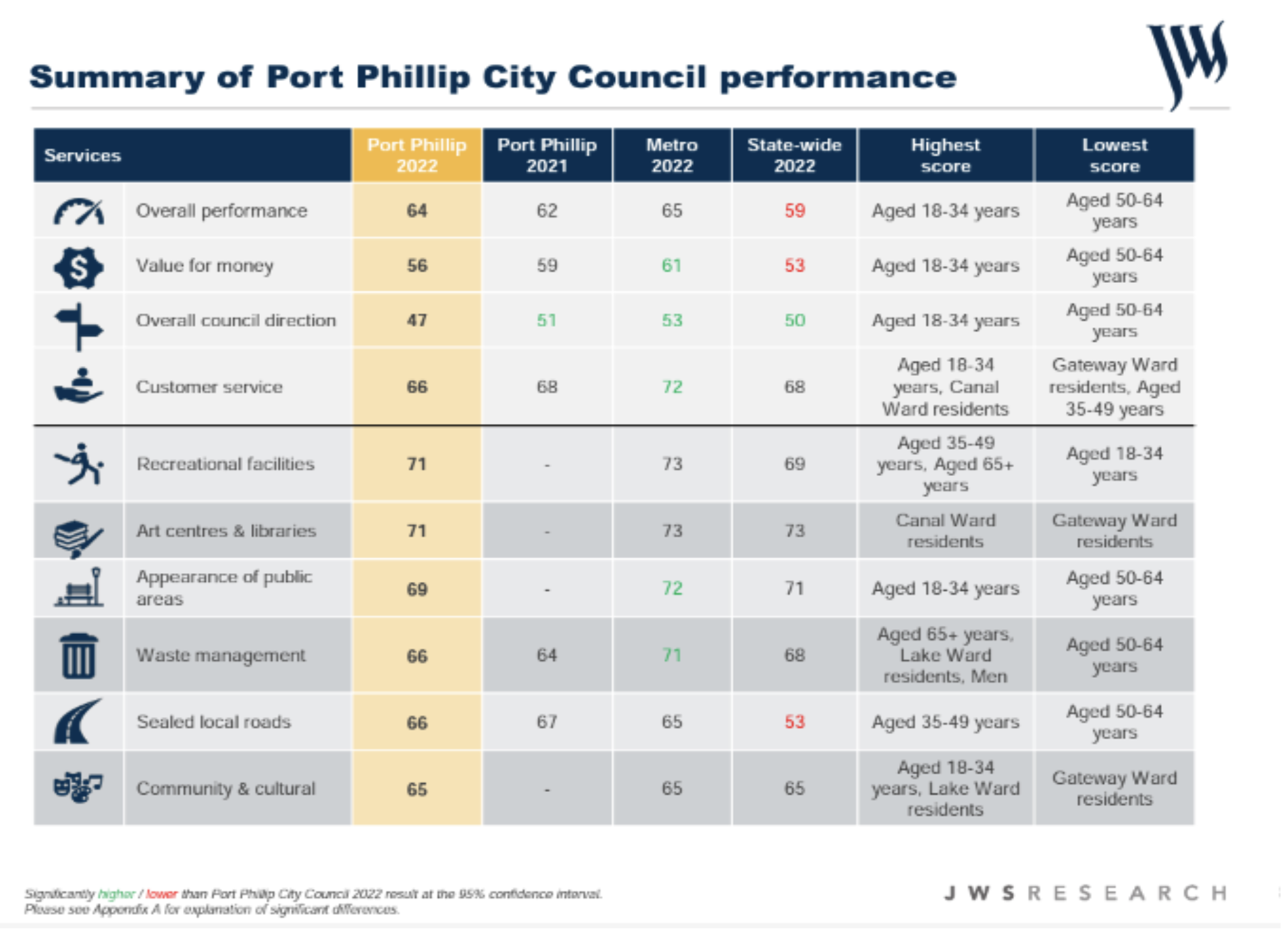
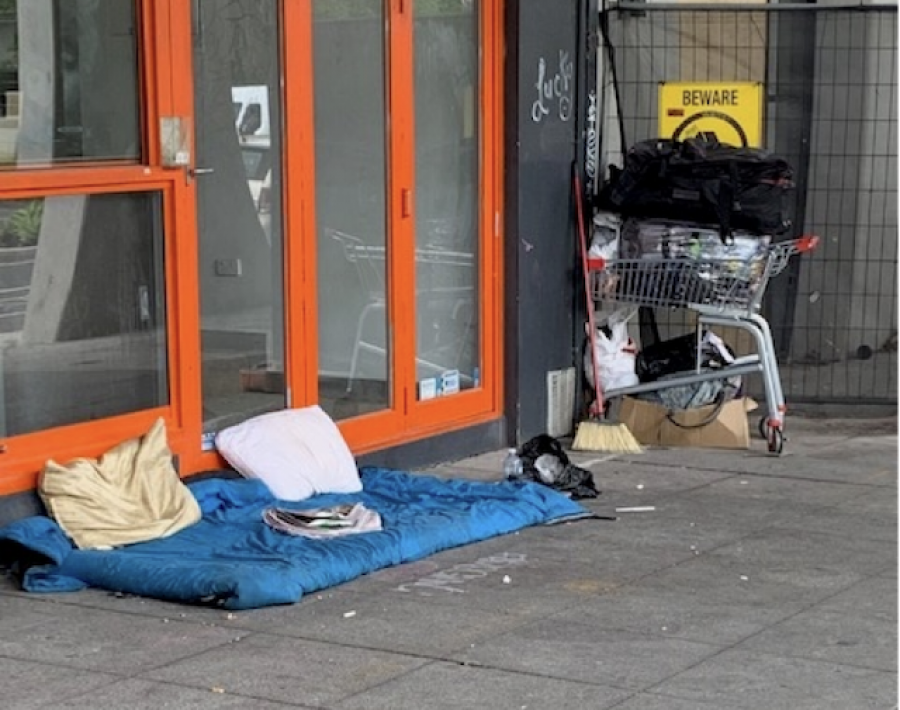
问问自己,如此高的员工与人口比例是否改善了服务?更多地利用技术所带来的生产力红利在哪里?该委员会是否展示了精益的财务方法?理事会的核心职责是否得到履行?我们的零售带状况良好吗?菲利普港市的经济是增长还是收缩?显然,几乎在每一个指标上,上述任何一个指标都没有得到证明。可以说,CoPP 只不过是最好的平庸之作。
对理事会观察数据的令人担忧的解读只增加了一个合理结论的分量:CoPP 正在运营一个员工过多的组织,平均薪酬过高或结构性头重脚轻,并且据说生产力持续低下。
虽然这种工资高于平均水平(相对于私营部门)的终身工作的稀缺世界可以在市政厅继续下去,因为纳税人是最终买单的人,但我们忘记了一个关键词——风险。
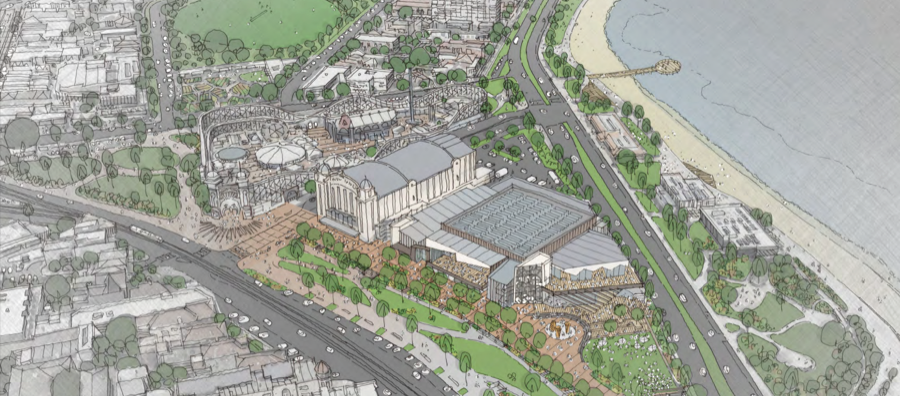
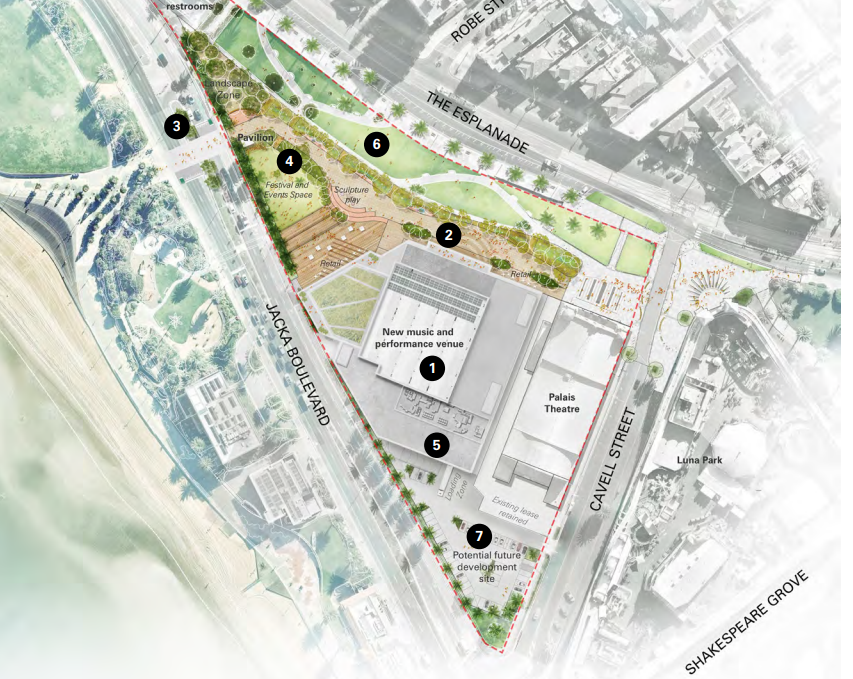
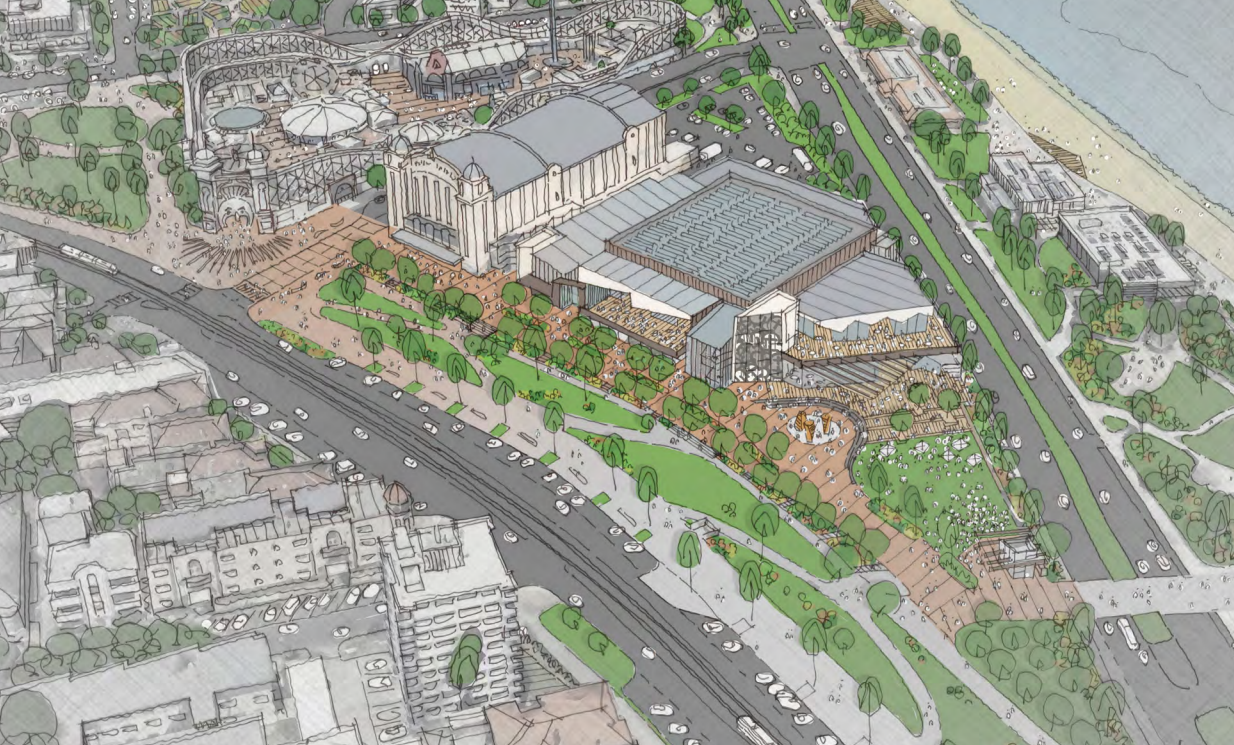
CoPP 目前不适合其目的,其核心任务不够清晰,也没有为潜在的重大风险做好准备。特别是,由于渔民湾基础设施资金短缺和潜在的开发风险,以及如果圣基尔达三角进入建设阶段,无论是否存在所谓的低成本私人/公共合作伙伴关系,CoPP 将面临“几乎肯定”的财务风险。
如果菲利普港市认真对待财务责任,就应该对所有支出、人员配置结构(包括人员配置水平)进行自上而下的审查,并消除所有非核心、非必要的责任。继续照常营业对纳税人和更广泛的社区来说只是一记耳光,他们受到严厉的税率、糟糕的服务交付和浪费的支出的打击。

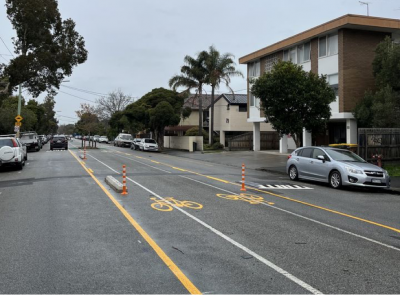
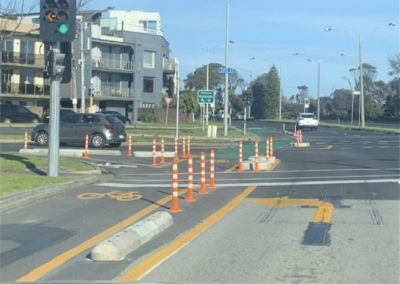
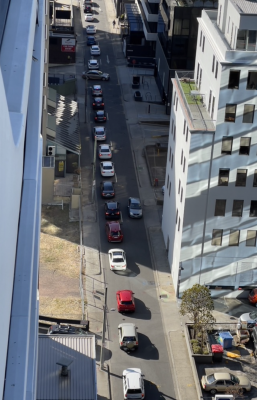
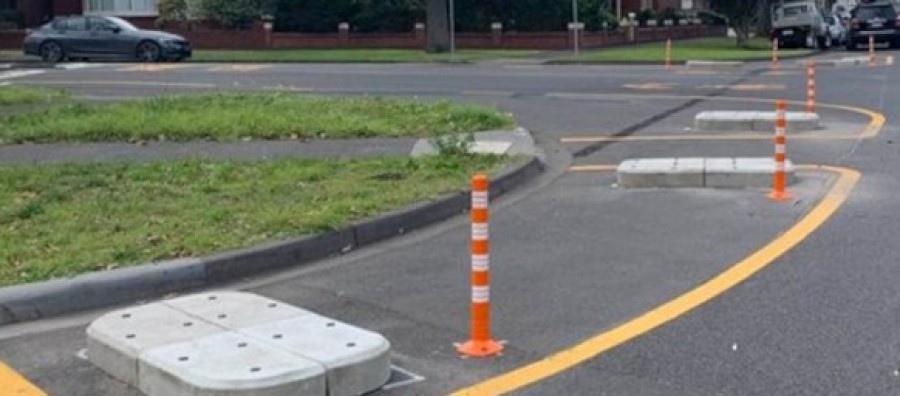
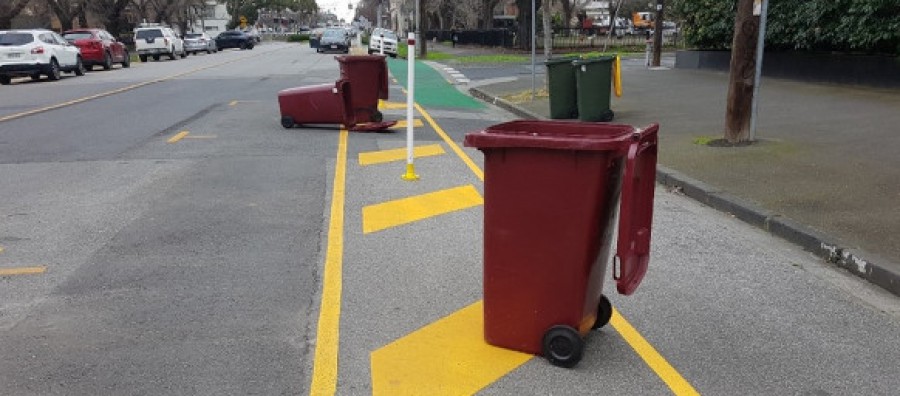
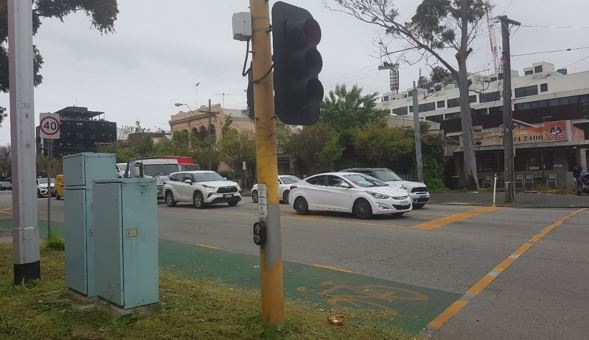
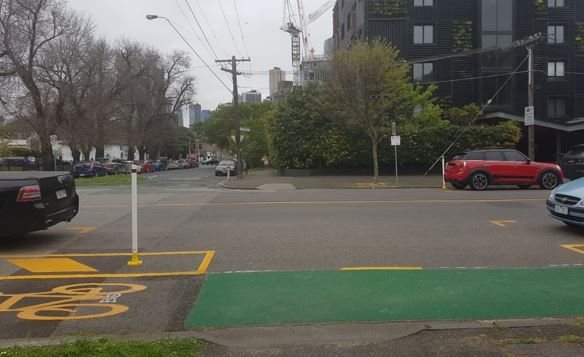
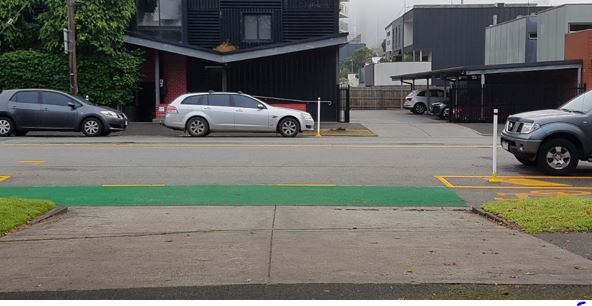
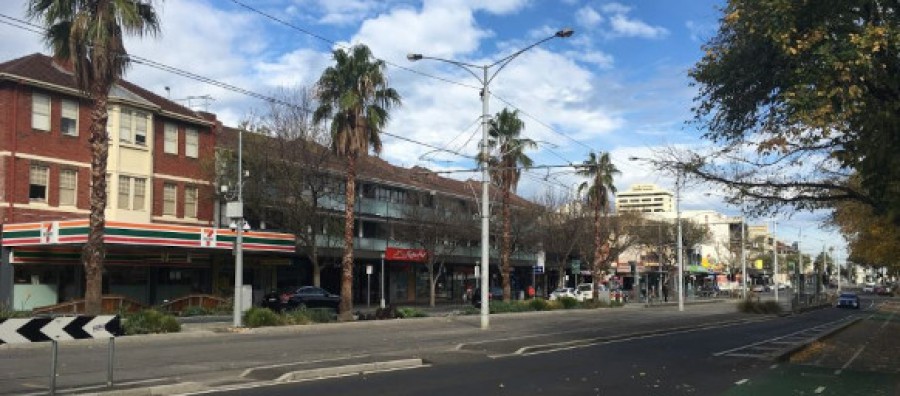
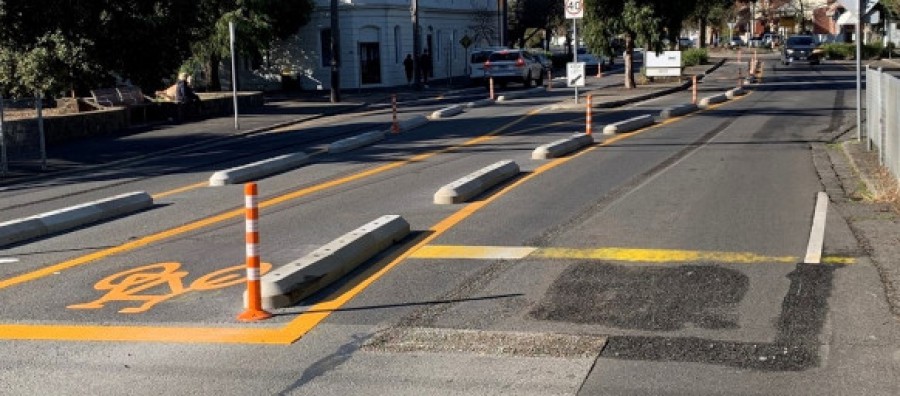
In Melbourne’s evolving landscape, the Council of Port Phillip’s recently proposed Inkerman Safety Improvement Project offers a significant, albeit contentious, addition to the city’s infrastructure. Although there are safety concerns that need to be addressed, there is little or no consideration of the impact of reduced carparking on residents and businesses on Inkerman Road and side streets. While the initiative aims to enhance road safety and pedestrian well-being, it also joins a lineage of road and bike lane projects that have sparked heated debates and policy reversals.
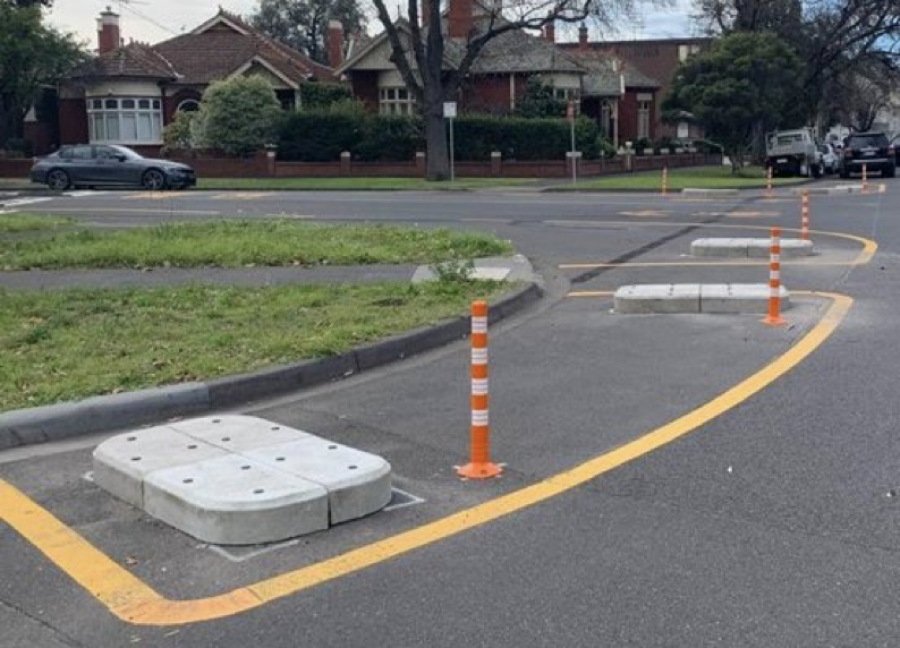
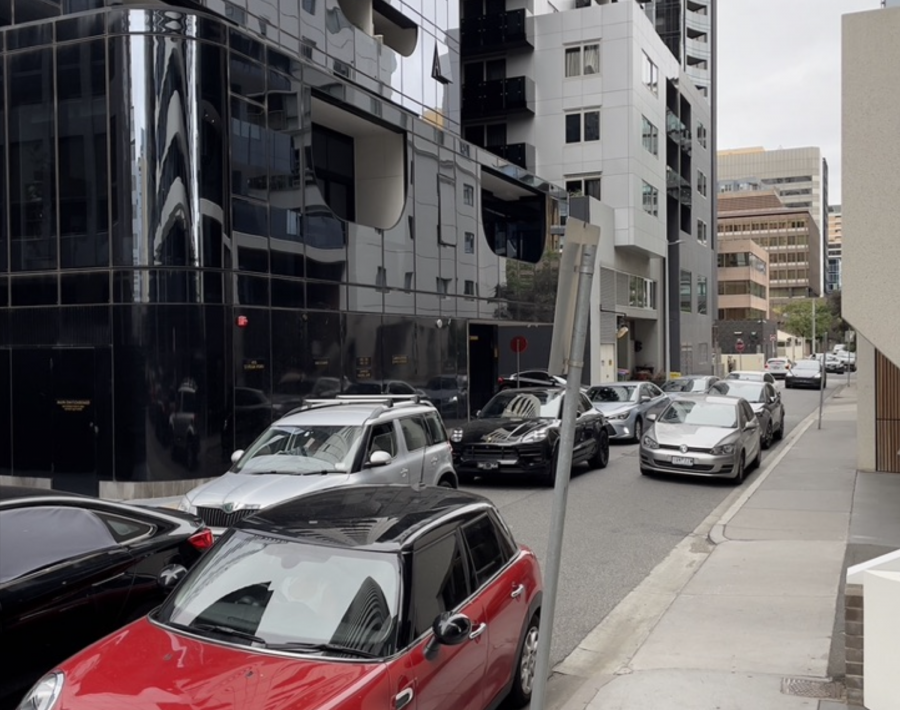
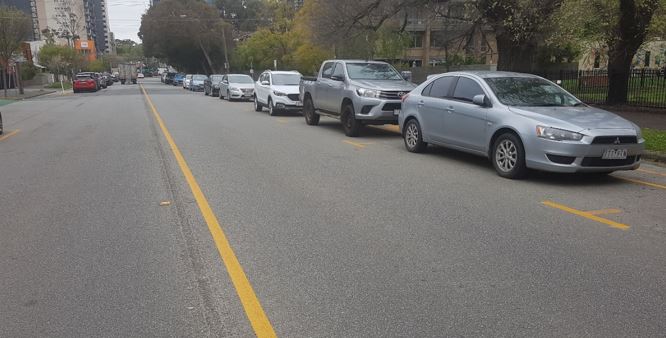
The immediate concern tied to the Inkerman Project is the apparent oversight concerning its impact on residential and business car parking. While there are valid safety concerns that demand redressal, the project seems to give little to no consideration to the reduction in parking availability on Inkerman Road and adjacent streets. Such an omission reflects a pattern seen in previous council projects, where practicalities affecting daily life are often sidelined.
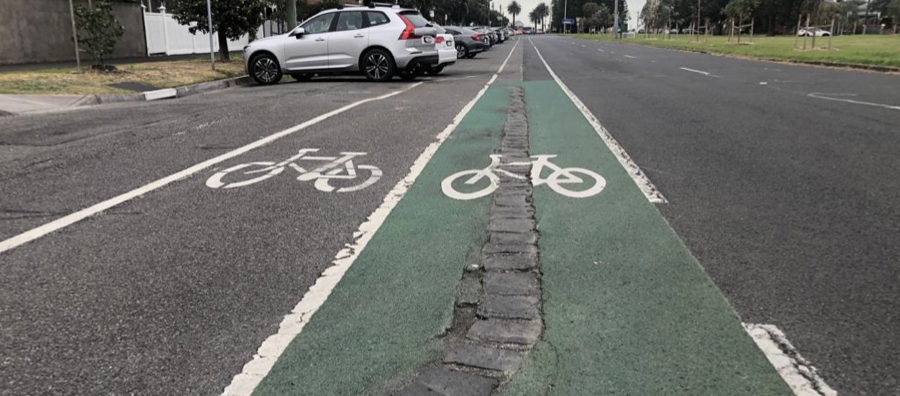
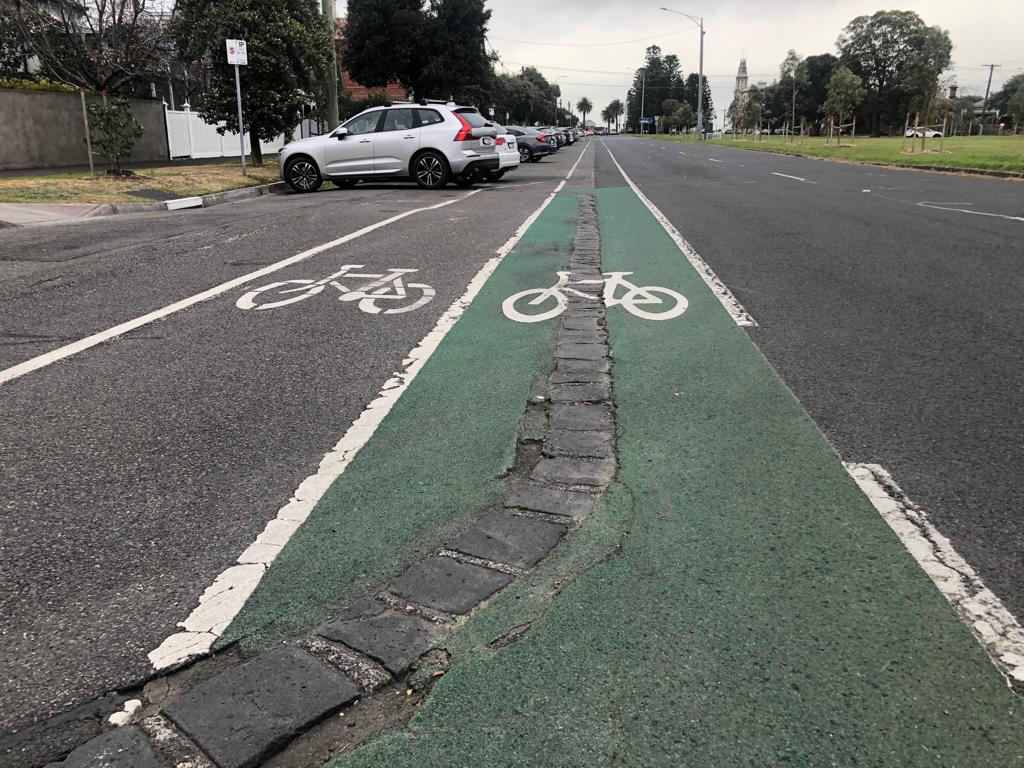
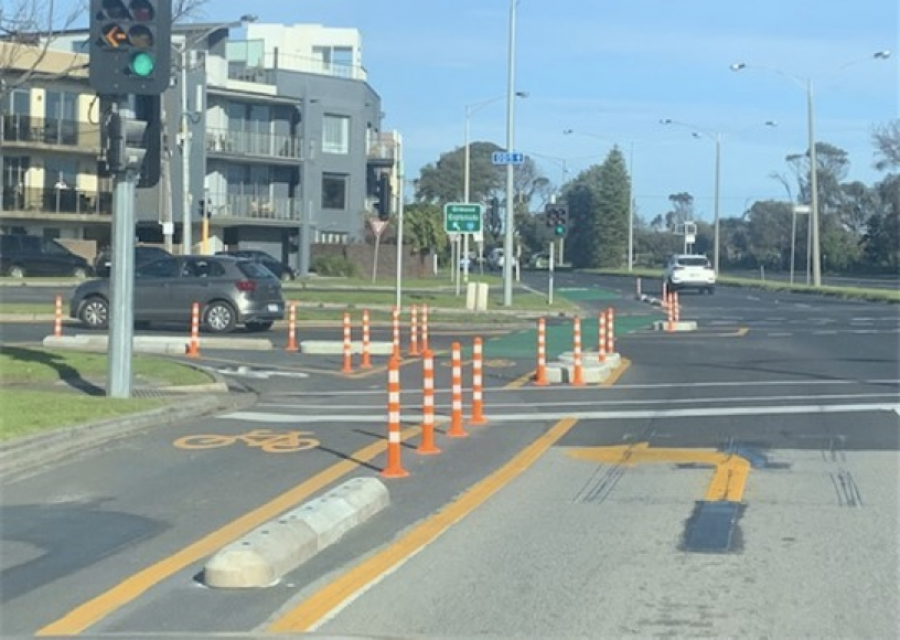
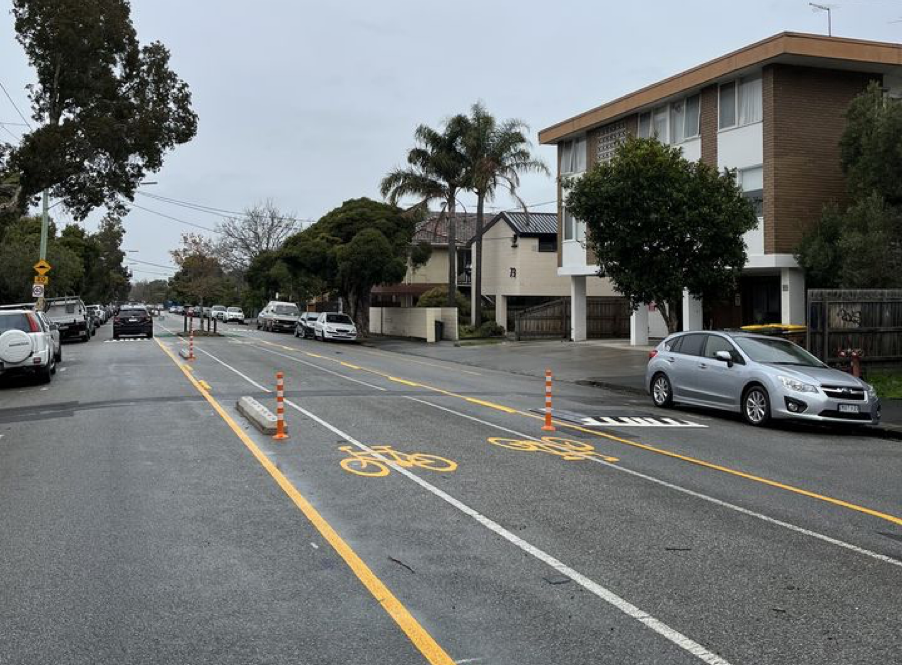
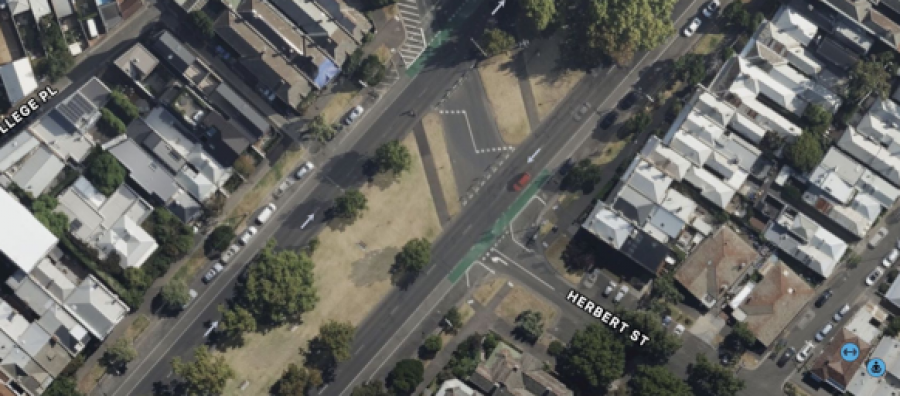
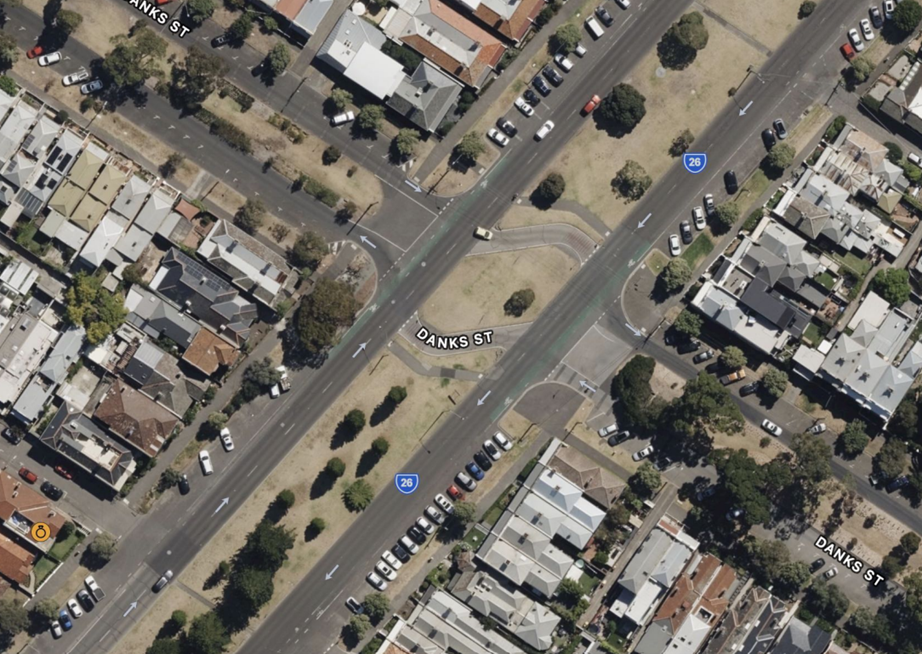
Moreover, the council is currently soliciting feedback on two design options for bicycle lanes on Inkerman Road between St Kilda Road and Hotham Street. Option A is a physically protected bike lane which results in the removal of 116 carparks between St Kilda Road and Hotham Street and Option B is a painted bike lane with the loss of 20 carparks.
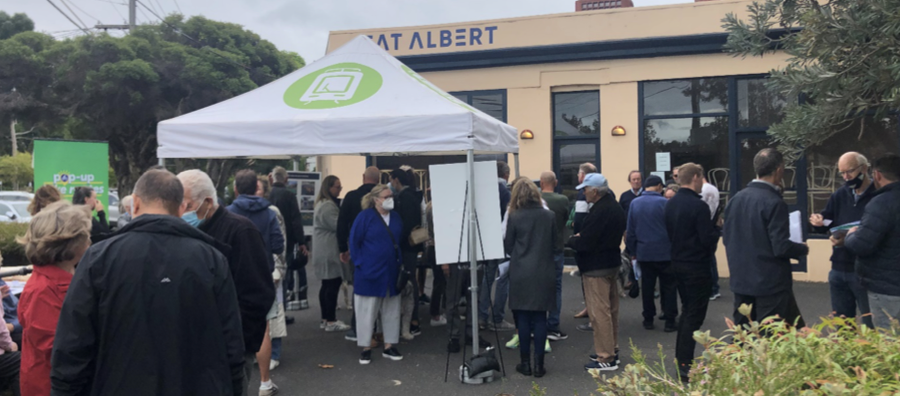
However, given its track record of nebulous consultation processes, one can’t help but question the efficacy of this outreach. Is this a genuine attempt to integrate community input, or another box-ticking exercise in public engagement?
A glaring example of such oversight is the Council’s recent misadventure with the Kerferd Road plan, a project that faced vehement community opposition and was eventually rescinded. As a resident astutely noted, the council seemed to be “wilfully ignoring” the populace who had earlier advocated against poorly designed bike lanes. The council’s decision to reintroduce the Kerferd Road proposal, despite known public opposition, raises unsettling questions about the Inkerman Project’s community engagement process.
Furthermore, much like the contentious Kerferd Road proposal, the Inkerman Project aims to introduce new bike lanes and reconfigure existing ones. While promoting cycling is commendable, the Council’s previous floundering with similar initiatives calls for a more considered approach. Past projects like “Shrine to Sea” and pop-up bike lanes have been discontinued, creating a state of “bike lane fatigue” among residents. This turbulent history makes it difficult for any new proposals, such as the Inkerman Project, to be met with enthusiasm.
The Inkerman Safety Improvement Project presents a complex challenge. Its laudable goals are overshadowed by a history of failed community engagements and inadequate planning. From overlooking basic necessities like parking to erratic stances on bike lanes, the Council of Port Phillip must rethink its strategy if the Inkerman Project is to avoid becoming yet another footnote in a string of well-intentioned but poorly executed initiatives.
As the adage goes, those who cannot remember the past are condemned to repeat it. The Council finds itself at a crossroads: learn from past failures or proceed on a course that may lead to another planning debacle.
Council is currently asking residents for feedback on two design options for bicycle lanes in Inkerman Road between St Kilda Road and Hotham Street, St Kilda East”. Provide your feedback https://haveyoursay.portphillip.vic.gov.au/help-improve-road-safety-inkerman-street