
Promotion
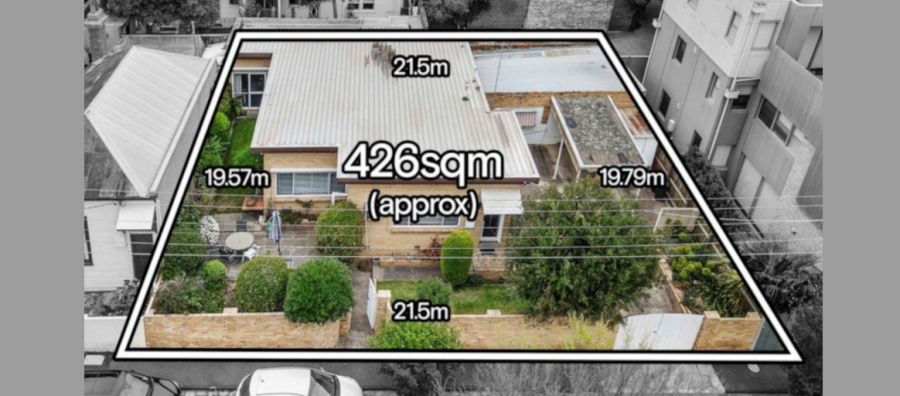
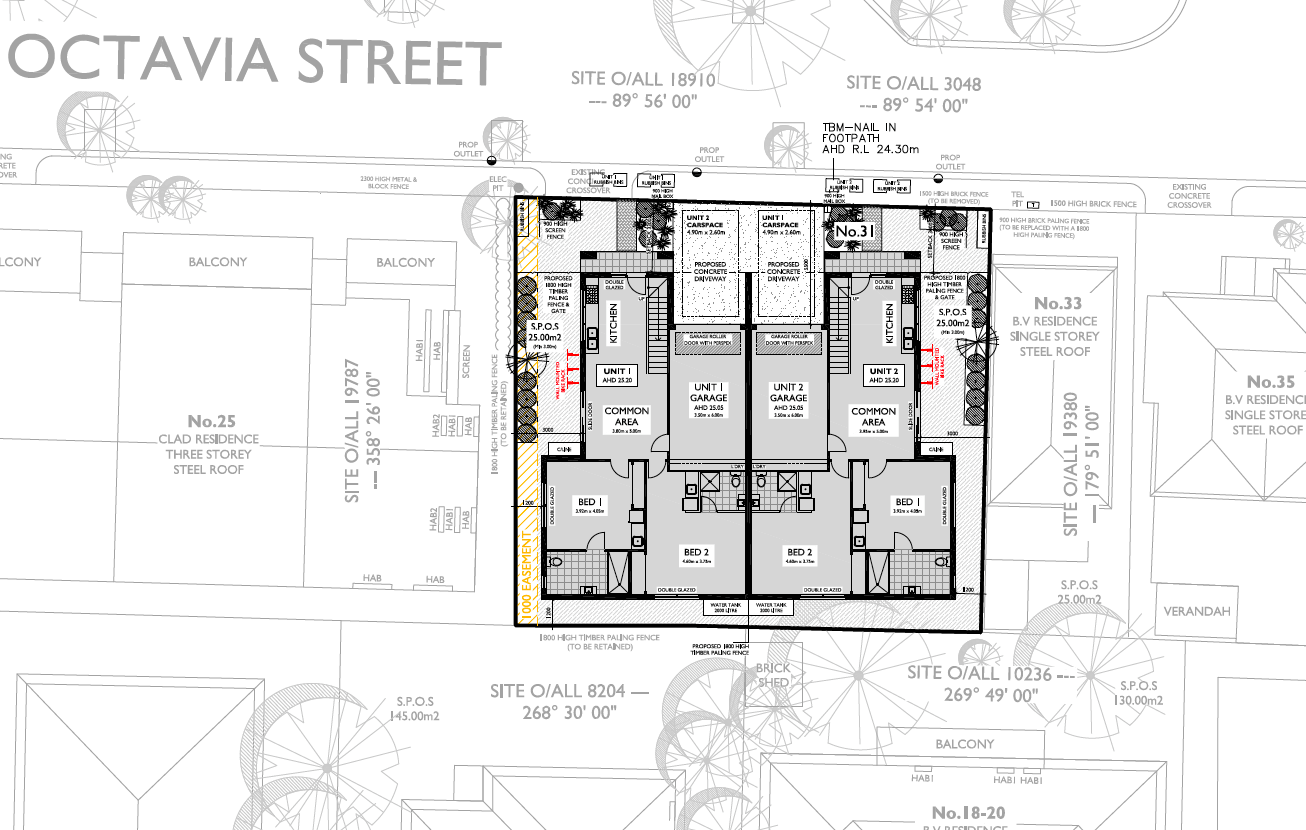
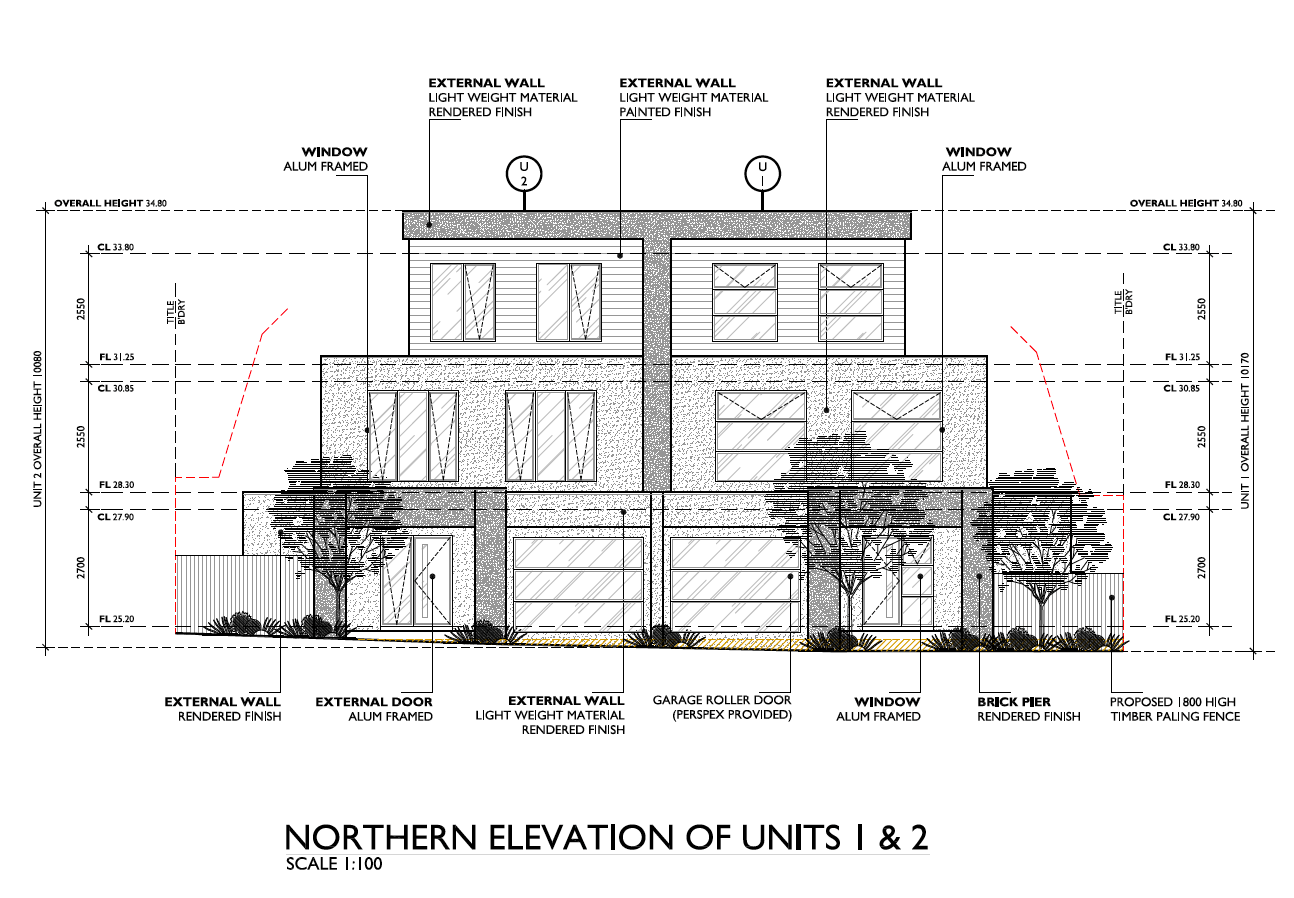
Port Phillip Council have refused a planning permit for rooming houses at 31 Octavia Street in St Kilda. Council rejected an application for the demolition of the existing building and construction of a three-level building to be used as two separate rooming houses with a total of 16 bedrooms. The applicant has a right to appeal the decision at VCAT.
The Council’s rejection of the application is welcomed by Octavia Street residents and those living in the surrounding area. Over 150 residents within the St Kilda Hill precinct are members of a Facebook group which unexpectedly brought the community together regarding the development. A number of members of the group engaged a professional town planner who helped them prepare an objection which highlighted significant concerns within the application. The group believes the location of the proposed rooming houses was inappropriate primarily by virtue of their sheer scale and intensity and their potential to introduce adverse residential amenity impacts where such impacts are already acutely experienced by residents of Octavia Street. Whilst the group commended Council’s policy to support the provision of affordable accommodation, they also observed that some locations are better suited to others, given that rooming houses tend to negatively affect local residential amenity, particularly large-scale operations. Rooming house accommodation traditionally involves residents renting bedrooms, rather than self-contained flats or units, and the use of shared common facilities such as bathrooms, lounges, kitchens, dining areas and laundries. For more information refer to www.facebook.com/groups/octavia3182
The planning application was rejected based on the poor external design and appearance, for not being consistent with the heritage character to the east of the property, for poor internal amenity for tenants because of the room layout. Interestingly, Council’s explanation for the rejection did not specifically mention the location of a rooming house in an area which already has community safety and amenity problems linked to social housing in the area.
The City of Port Phillip website contains information on the history of Port Phillip. The following is an extract about the history of Port Melbourne
Port Melbourne was first called Sandridge after the ridge of sand dunes along the beach. In 1839 Wilbraham Frederick Evelyn Liardet arrived with his wife and family and set up home at the beachfront. Liardet has been called the father of Port Melbourne for his many innovative and entrepreneurial ventures which included building the first rudimentary jetty and providing a mail service to Melbourne from the port.
In 1850 the first land at Sandridge was sold, although the area had been surveyed as early as 1839. The most distinguishing feature of Sandridge at the time was the great saltwater lagoon as large as the settlement itself. The importance of Sandridge as the port for the metropolis was underlined when the first passenger railway in Australia was opened on September 12, 1854. It ran from Melbourne to Sandridge.
On 13 July 1860, after some agitation for self-government, Sandridge was proclaimed a municipal district. William Morley, a local coal merchant, became the first chair of the Council. Sandridge became a borough in 1863, and in 1884 changed its name to Port Melbourne. In 1893 Port Melbourne became a town and, on 14 May 1919, was proclaimed a city.
In June 1994 the City of Port Phillip was formed from the old municipalities of South Melbourne, St Kilda and Port Melbourne.
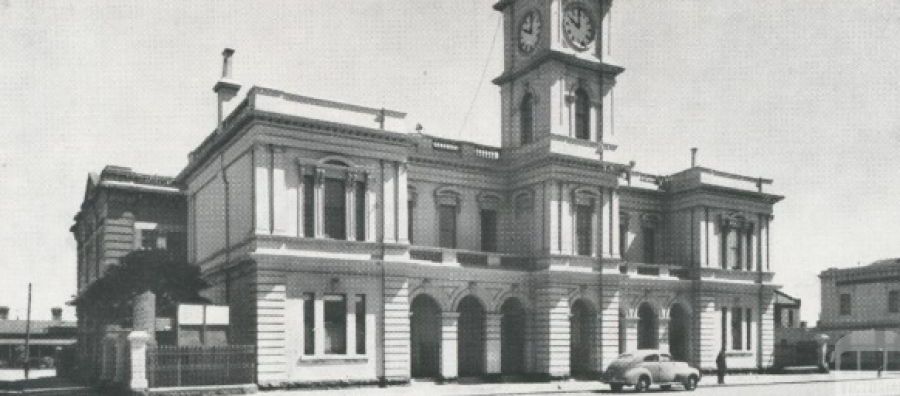
The first Council offices opened in 1861, located on the corner of Bay and Graham Streets, Port Melbourne. The first community hall was built in 1869 on the current site of the Port Melbourne Town Hall. In 1881 the addition of the grand building in front of the hall brought the council chambers and offices to the site.
Source: https://www.portphillip.vic.gov.au/explore-the-city/history-and-heritage/port-phillip-history
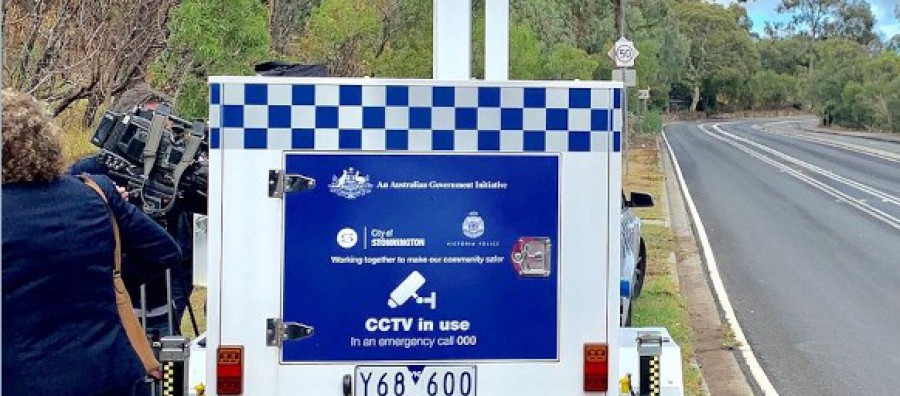
Council will decide at a meeting on Wednesday 3 November on options to acquire (either purchase or hire) a mobile CCTV unit for the Port Phillip Police Service Area as a deterrent to hoon drivers. Council has already resolved to purchase a mobile CCTV trailer if successful with a state or federal grant application. Councillors will consider hiring a mobile CCTV unit for six months at a cost of $35,000 plus GST if this is not funded through a Victorian Government grant.
Concerned residents represented by the Port Melbourne Road Safety Group (PMRSG), presented several petitions and recommendations to Council on 3 February and 5 August to advocate for a solution to hoon driving this summer. Several solutions have been proposed including reduced speed limits, physical barriers to reduce access to Pier Road, review existing signs and introduce new signs and parking restrictions, use of noise camera technology and mobile CCTV units and application to the Department of Transport for six additional fixed cameras.
Residents affected by hoon drivers and riders returning to Port Phillip in October are demanding solutions to eliminate or at least diminish anti-social hooning activity that involves dangerous driving and riding and excessive noise.
Hiring a mobile CCTV solution is expected to deter hoon driving following a successful trial by Council last summer. Council borrowed the City of Stonnington’s mobile CCTV trailer (pictured) which was found to be effective in assisting police to identify, locate, and respond to hooning. However, CoPP’s current public place CCTV policy may prevent any new public places CCTV systems being implemented without State or Federal Government funding.
Victorian Police are the lead agency for responding to hoon driving. Council works closely with Victoria Police in relation to public safety issues but does not have the statutory powers to respond to criminal and antisocial behaviour such as speeding and dangerous driving. For more information https://www.portphillip.vic.gov.au/media/4jde3324/report-10-4-mobile-cctv-trailer.pdf

Hooning has returned to Port Melbourne as lockdowns and curfews end. Residents experienced another most unpleasant night on Wednesday 27 October by rampant hooning activity and incessant very loud noise. Several community groups are running campaigns in a concerted effort to eliminate or at least diminish anti-social hooning activity that involves dangerous driving and riding and excessive noise. Victorian Police reported https://www.facebook.com/eyewatchportphillip the following in respect of Wednesday night:
It is important to report hoon driving and vehicle noise. If incidents are not reported and recorded, the Police do not know about them. If you witness hoon driving and vehicle noise, Victoria Police recommend:
Don't leave it to someone else to report.
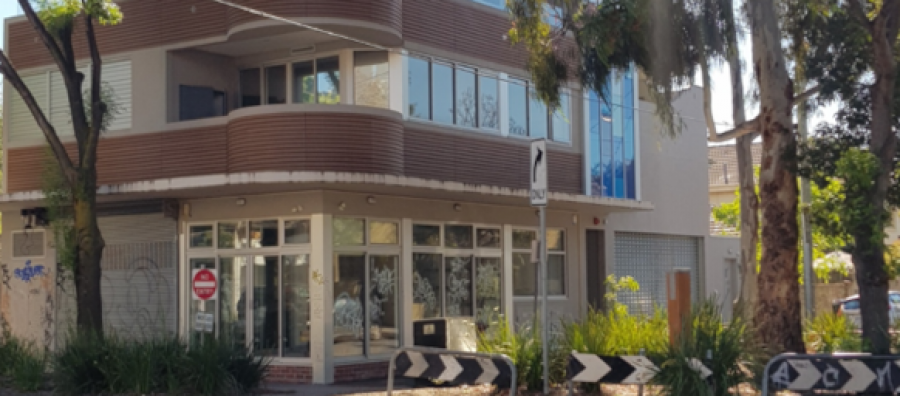
I am a long-term resident of St Kilda. Every morning, I walk to Acland Street for a newspaper and coffee. I would like to take you on my walk.
When I leave my doorstep, graffiti confronts me everywhere. Looking down the street, the sidewalk is a patchwork of uneven bitumen, due to repeated digging up and resealing. The footpaths are a mess. There does not appear to be any real plan from Council for amenity improvements in St Kilda, by cleaning up pathways and engaging with businesses to enable graffiti removal.
I walk across Greeves Street, where the sex worker industry is booming. In summer more than winter, there is an almost continual stream of gutter crawlers. I have no problem with sex workers and understand fully that their stories are not relatable for most people and their trade is often harsh and exploitative. If we are prepared to turn a blind eye to this activity, then we should at least make it safe for the women who ply their trade. With sex workers, it often comes with the added baggage of their pimp(s), drug dealing, letterbox thieving and customer violence.
If Council were proactive, they might seek Victorian Government assistance to have Vale and Greeves Streets monitored by 24 hour cameras to ensure that there is a law enforcement overlay on violence, drug selling, and most importantly, for the protection of the women.
Having requested security cameras be installed with the assistance of State Government, and received no substantial Council response except “maybe we could install fake cameras as a deterrence”, it occurred to me that some within Council may not be capable of driving reform. In fact, in many ways, it sometimes appears that the decision makers are focused more on optics than substance, more on pet causes than service delivery. This view was reinforced when I tuned into the ABC morning show recently and a question was raised about the promise of security cameras on parts of the St Kilda foreshore area in response to violence over 18 months ago. This was met with the response that the Council was still working through it. Perhaps the Councillors should take responsibility for this failure of Council to act.
On my way to the coffee shop, I talk to locals, one whom established a small business in the arts space. She is sad. “I have lost my business. I cannot afford the rent and Covid-19 has been a real problem for me”. She is not alone in her anxiety. This is a message I hear everywhere - businesses that St Kilda desperately needs, fall one by one and the area is diminished by their absence. Covid-19 may be one cause, but excessive rates, excessive restrictions and lack of action over a sustained period of time have taken their toll. The risk and hard work that these businesses take on, and the stresses of endless bureaucracy, making monthly rent, high rates and fees make it difficult to be a Port Phillip business owner. I am not convinced that some of our elected Councillors understand.
Looking at our current Council, it struck me that there seems to be an imbalance in Council's make up. Actors, green activists, and teachers all have a role to play, but where are our corporate leaders, and those with private sector experience? Do our Councillors have sufficient financial education to understand financial statements and ensure the wool isn't being pulled over their eyes by Council officers? Do they enter Council service to improve our roads, rubbish collection, resident safety, and basic infrastructure, or to support their minority interests and further their political ambitions?
My coffee finished, I walked home, pondering where we are at as a community, and how we can improve our neighbourhood.
In the next edition, I will continue my walk to Acland Street and see how Melbourne is enjoying our newfound freedoms.
The BCNA is a not-for-profit community association in Port Melbourne. It is the successor organisation of the Swallow Street and Bain Street Residents’ Association formed in February 1987. It was formed out of fear that the Victorian Government would acquire their homes as part of an urban renewal project.
Purpose:
BCNA’s purpose is shown in its Rules of Association. It is to “… provide a forum for all residents of Beacon Cove and abutting neighbourhoods to discuss key local issues and thence to take appropriate action to preserve and enhance the quality of life for residents and visitors to the area…”.
How we operate:
BCNA representatives meet key people and organisations to find solutions to local issues. They include Members of Parliament, State Government departments, the City of Port Phillip, Victoria Police, developers, the Environment Protection Authority, and Ports Victoria.
Current issues:
Some of the recent issues BCNA has been involved in are:
• Hoon driving and excessive vehicle noise around Station Pier and Beacon Cove.
• advocating for air quality monitoring near Station Pier.
• advocating for the redevelopment of the Waterfront Place precinct.
• the enforcement of planning controls.
• protecting the foreshore from overshadowing from developments.
• An upgrade of the Princes Street stormwater drain.
• Port planning.
Communicating to members:
The committee reports on progress with current issues by short news items on the organisation’s Blog website at www.beaconcove.org.au. Members can receive these news items by subscribing to an email news service. In addition, a hard copy newsletter, The Beacon, is prepared twice a year and delivered to about 2800 mailboxes in the area.
Encouraging a sense of community:
In addition to the email news service, BCNA organises social events. Often these are dinners at local restaurants. The events are popular and attract around 60 plus attendees. They are a good way for newcomers to meet neighbours and to hear about local news.
Membership:
Membership is open to individuals. You do not need to live in the area. An application form is shown on the website at www.beaconcove.org.au. Current membership stands at 461.
Further information about BCNA can be found on the website www.beaconcove.org.au
Or contact:
The President at president@beaconcove.org.au
The Secretary at secretary@beaconcove.org.au


 Image Caption

 Image Caption
Image Caption
Image Caption